Discover the Greek island where people forget to die
On a mountainous Greek island in the eastern Aegean, reaching your 90th birthday is far more usual than you might expect. People in Ikaria are around three times more likely to reach 90 than in the United States, and the island has become famous around the world for its unusually long-lived population.
It even inspired a memorable description in New York Times headline: “the island where people forget to die.”
As soon as you visit Ikaria, you realize that longevity here is not treated as a secret formula. It is simply part of everyday life.
The statistics that made Ikaria famous
Ikaria is one of the few places in the world associated with the Blue Zones, a term popularized by National Geographic explorer and author Dan Buettner to describe communities where people appear to live unusually long and healthy lives.
The Greek island is in this list together with places, such as Okinawa in Japan, Sardinia in Italy, the Nicoya Peninsula in Costa Rica and Loma Linda in California.
Research into elderly residents of Ikaria has found something particularly interesting. Long life here does not appear to depend on one miracle ingredient.
Instead, researchers have looked at a combination of diet, physical activity, social relationships and everyday habits. One study of people aged 90 and above in north-western Ikaria found particularly high levels of family solidarity, social interaction and physical activity.
In other words, the story of Ikaria Greece is less about discovering a longevity trick and more about understanding an entire way of living.
What makes Ikaria a Blue Zone?
There is no single explanation for why so many Ikarians live into old age. The answer seems to lie in a collection of ordinary habits that have existed on the island for generations.
The diet: Greens, honey, herbal teas, little meat
The traditional Ikarian diet resembles the Mediterranean diet, but in its older form rather than the restaurant version tourists may recognize.
Vegetables, beans, potatoes, whole grains, olive oil and seasonal fruit traditionally form a large part of everyday meals. Wild greens grow across the island, while local honey and herbs are also common ingredients.
Meat plays a smaller role than plant-based foods, although goat is an important part of local cuisine and frequently appears at village festivals.
A different relationship with time
You will probably notice “Ikarian time” before you notice anything connected to longevity. Life simply moves differently here.
A famous example is Christos Raches, a mountain village where shops are known for opening unusually late. Historically, residents worked in the fields during the day and opened their businesses later. Today, the unusual schedule has become part of the village's identity.
The key is not to expect that everything will happen according to your watch.
A coffee may last longer than planned. Dinner can begin late. A conversation can continue because nobody seems particularly interested in ending it.
For visitors accustomed to carefully scheduled holidays, it can initially feel strange. After a few days, though, it often becomes one of Ikaria's greatest attractions.
Panigiria: The all-night village festivals
If there is one experience that explains the social side of Ikaria best, it is a panigiri.
These traditional village festivals take place throughout the year, with most happening during summer. Long tables filled with food and local wine, musicians play traditional songs and entire villages dance the Ikariotikos until the dawn.
The festivals bring together different generations in the same space, from children to grandparents. For visitors, they are not simply entertainment. They offer a glimpse into the strong community connections that researchers have repeatedly identified when studying longevity on the island.
What visiting Ikaria actually feels like
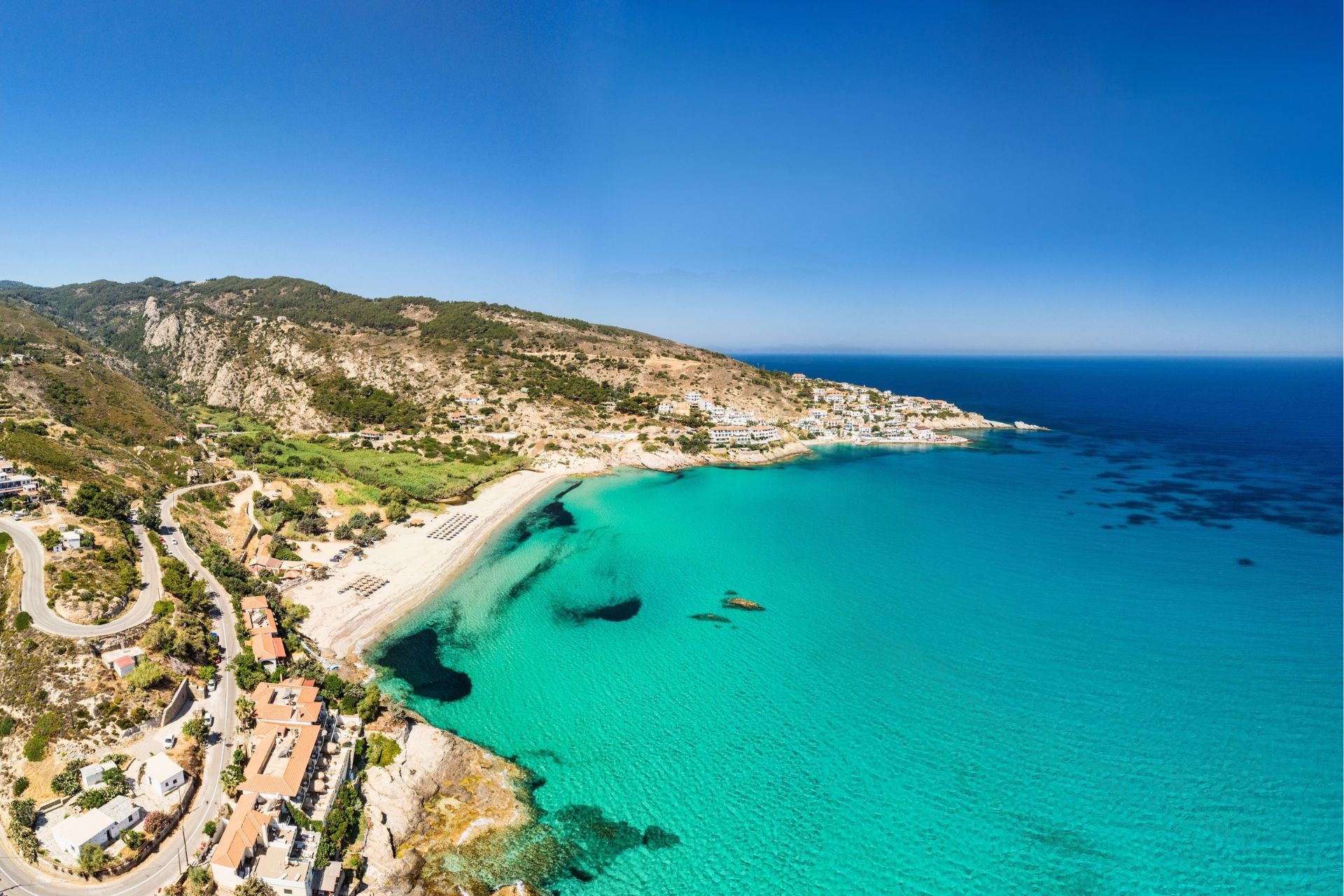
Ikaria has a unique character that is far away from the classic touristic island. There are no perfect villages with touristic facilities and nothing happens quickly for visitors.
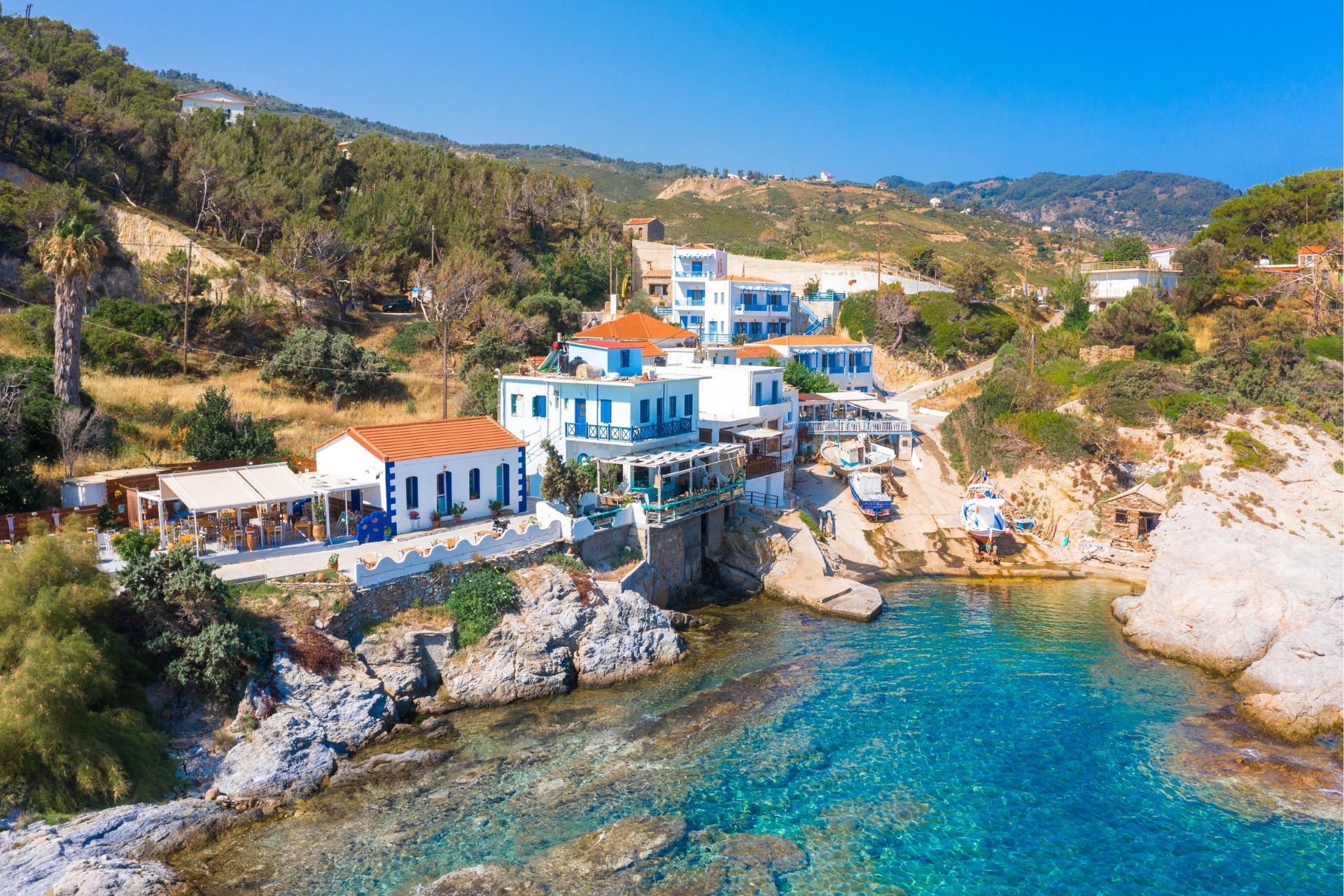
Ikaria is a rugged, mountainous and irregular island with villages hidden inside forests and hills.
You may feel that service is slow, but remember that this is the point when you visit Ikaria.
The island asks you to adjust to its rhythm rather than expecting it to adjust to yours. If you spend a few days here, you will find yourself checking the time less often.
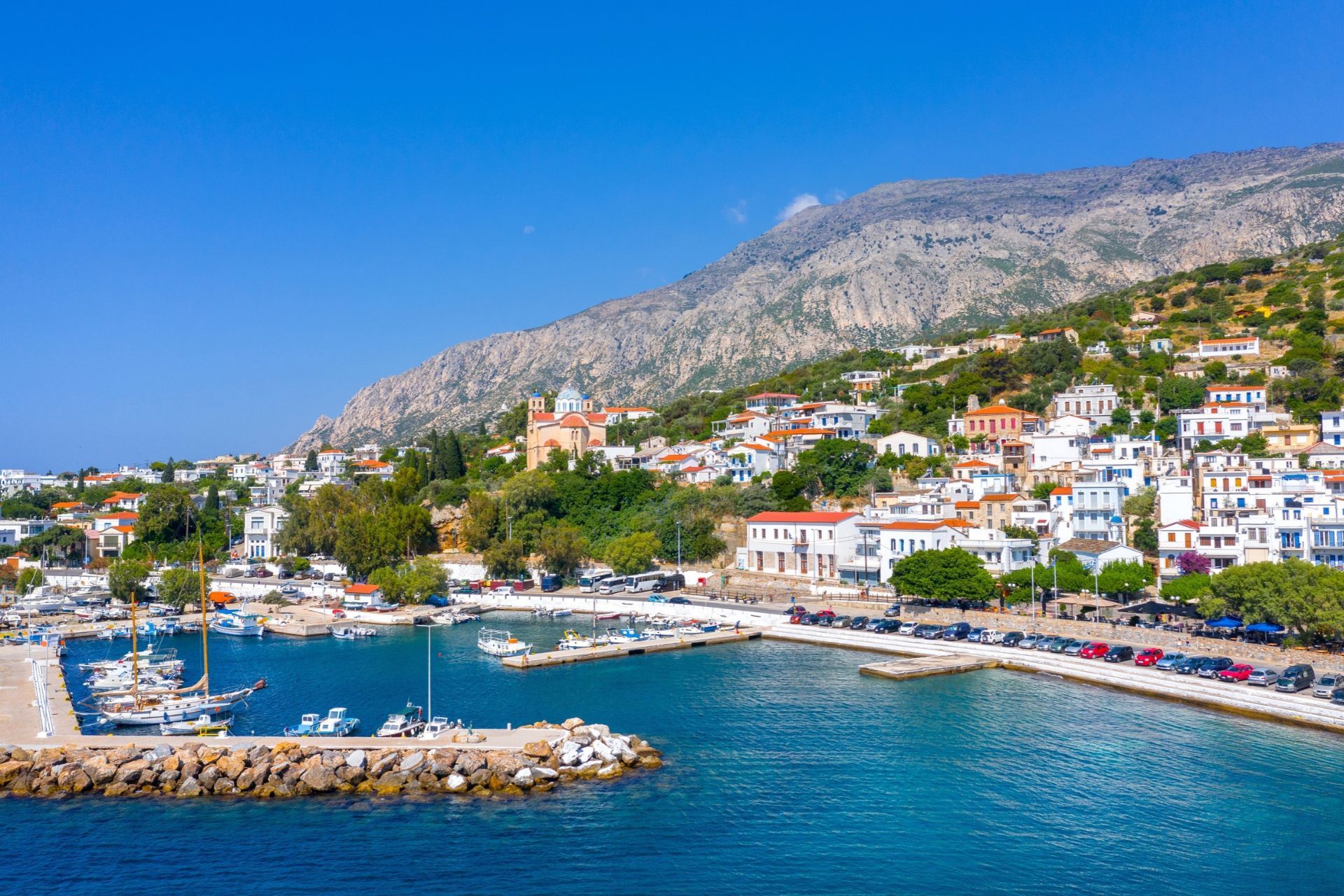
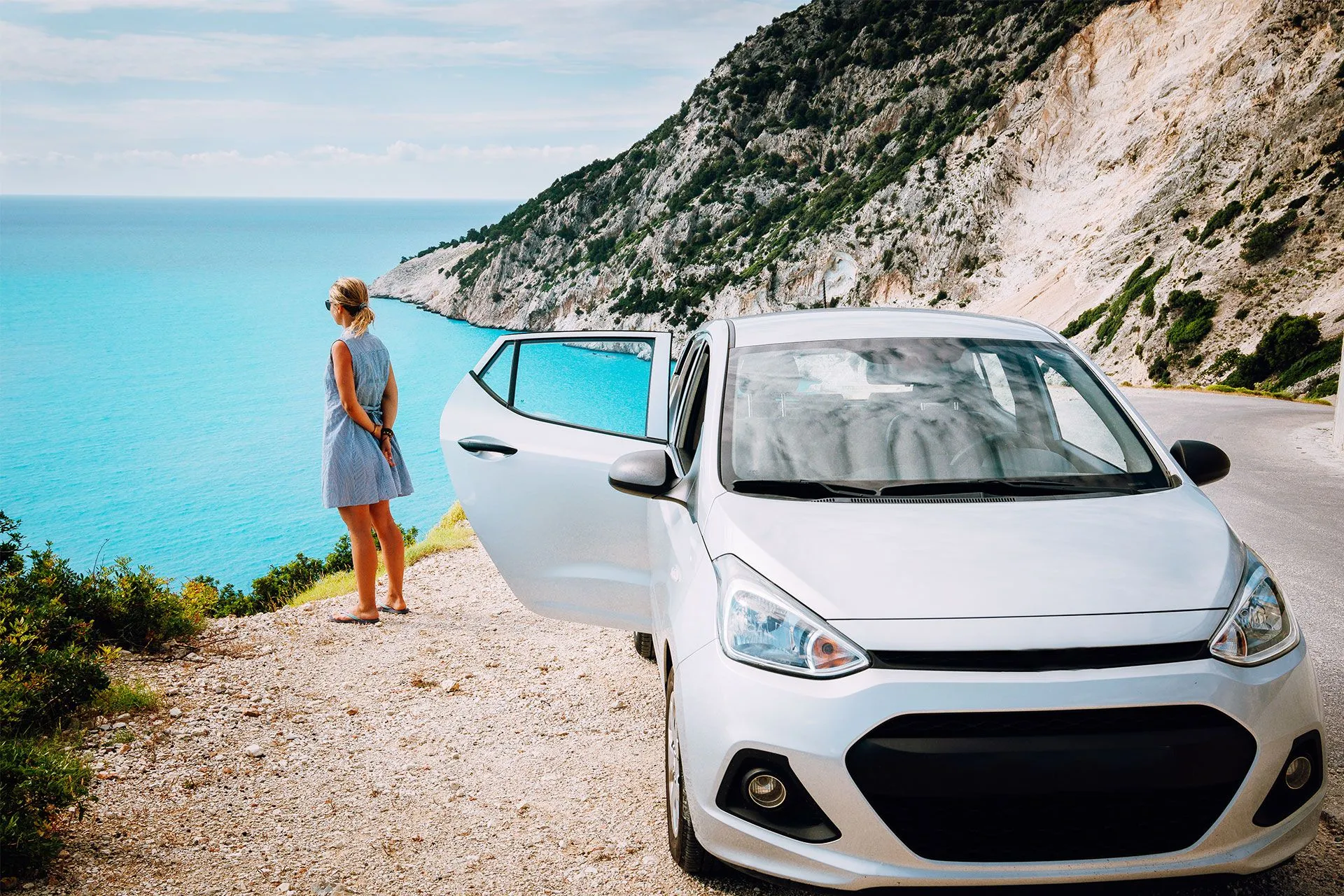
Exploring the island by car (you will need one)
Ikaria's geography is part of what protected its distinctive lifestyle for generations, but it also makes exploring challenging.
Public transport is limited, while villages, beaches and attractions are scattered across mountainous terrain. Having your own vehicle therefore makes a huge difference if you want to see more than the area around your accommodation.
You can pick up a rental car after arriving on the island and build each day around where you actually want to go, rather than around limited transport schedules. Ikaria's roads are often narrow and winding, particularly in mountainous areas, so a smaller car is more comfortable for drivers unfamiliar with the island.
Mountain villages: Christos Raches and the shops that open at 9 p.m.
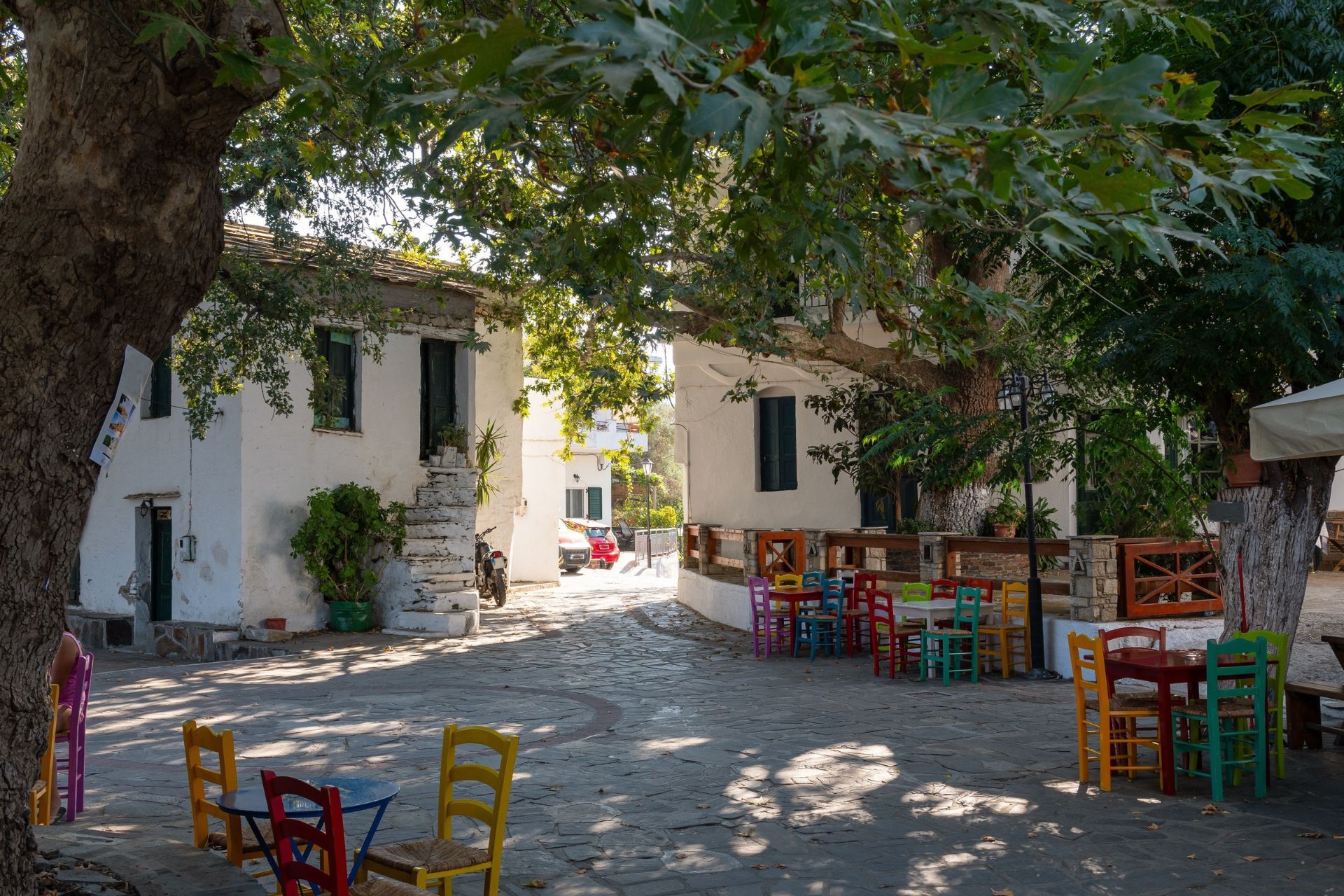
The village Christos Raches is perhaps the most famous example of Ikarian life.
Hidden among lush vegetation in northern Ikaria, the village becomes particularly lively later in the day. Cafés and small businesses around the central square stay active into the evening, giving visitors a completely different experience from the usual Greek village that becomes quiet after sunset.
Driving also gives you the freedom to continue through the surrounding mountain villages, stopping at viewpoints, small cafés and places you would probably never reach on a fixed excursion.
Seychelles Beach and the wild south coast
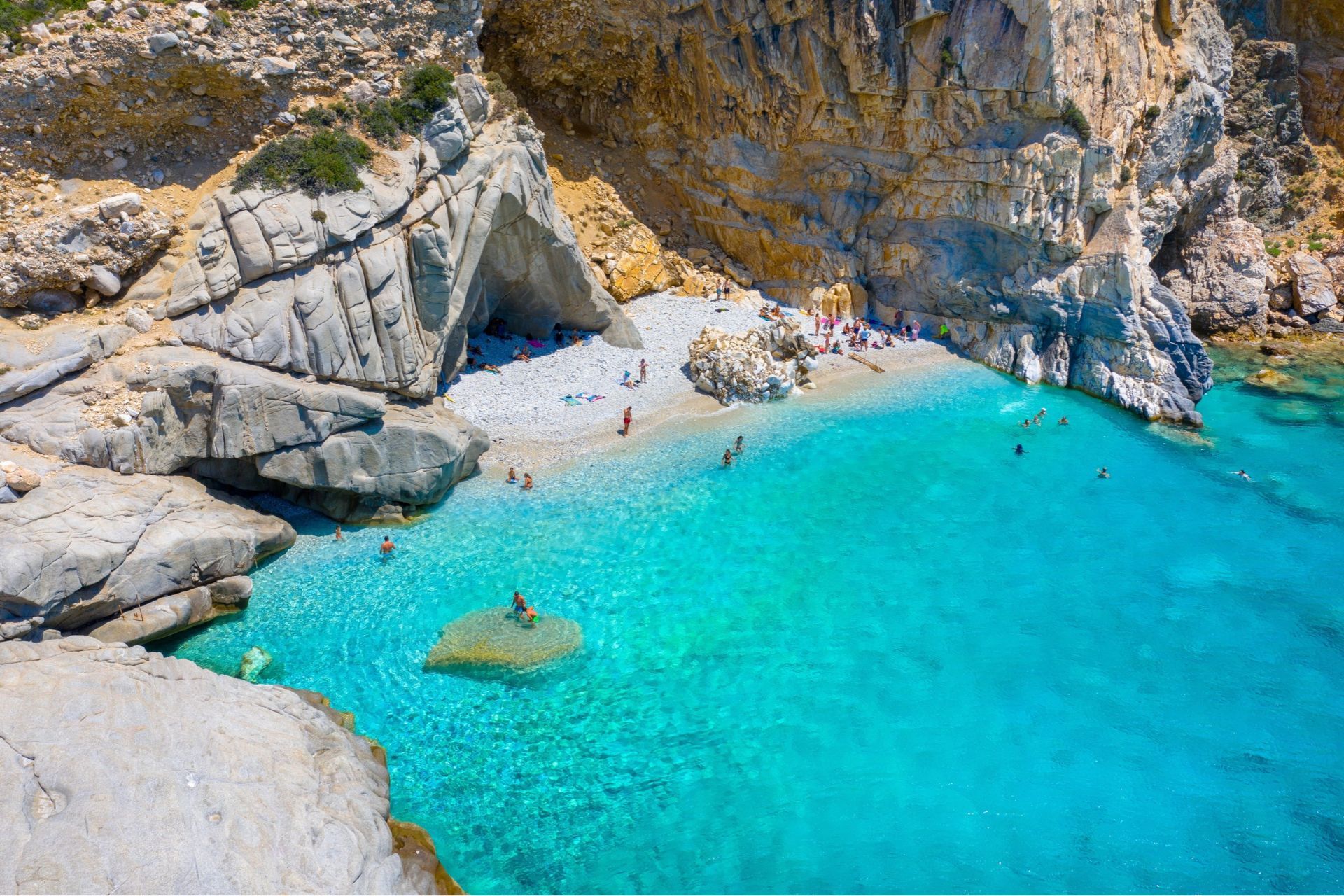
There is also the other side of Ikaria.
If you drive towards Magganitis on the south coast, the landscape becomes increasingly dramatic. One of the highlights is Seychelles Beach, famous for its turquoise water, pale rocks and wild setting.
Remember that you cannot drive directly onto the beach. Cars are left near the main road and the final section involves a short but rough walk downhill, so proper footwear is recommended.
The journey is part of the experience. On Ikaria, some of the most memorable places are precisely those that require a little effort to reach.
Discover the three convenient stations of Abbycar at Ikaria Airport, Ikaria Evdilos Port and Ikaria Agios Kirikos Port and get ready to discover this unique island with flexibility, safety and low rates!
When to go and how to get there
For most travelers, June and September offer an excellent balance of warm weather and fewer visitors. July and August are livelier and are the best months if experiencing the island's famous panigiria is high on your list.
Discover Greece in October: Why locals call it the secret best month
Ikaria can be reached by plane from Athens or by ferry, with Agios Kirykos and Evdilos serving as the island's main ports.
Frequently Asked Questions
Yes, especially if you prefer authentic Greek islands, traditional villages and wild beaches away from mass tourism.
Four to five days is a good minimum, although seven days allows you to explore both sides of the island without rushing and still have time for beaches, villages and long meals.
A car is highly recommended. Public transport is limited and many of Ikaria's most interesting villages and beaches are spread across mountainous areas. Renting a car gives you much more freedom to explore the island at your own pace.

AbbyCar Car Rental Experts
Car Rental & Travel Mobility Experts
Abbycar’s articles are created by experienced car rental professionals specializing in international travel. With deep knowledge of rental processes, insurance, and local regulations, our goal is to provide accurate, transparent, and reliable guidance to travelers worldwide.
For more travel advice and car-rental insights, visit AbbyCar Blog