Driving in Greece: 12 rules tourists learn the hard way
You are driving on a Greek national road when the truck ahead suddenly moves halfway onto the hard shoulder. You may find that unexpected, but in Greece there is nothing wrong with this behavior. The driver is making space for you to overtake and the car behind expects you to do it.
Driving in Greece as a tourist can be confusing at first, but it is not as chaotic as you may think. It has its own grammar, made up of official road rules, local habits and signals that tourists often learn along the way.
The 12 unwritten rules of driving in Greece
Before driving and renting a car in Greece, remember that local habits never replace the official Greece road rules. It is always wise to drive defensively, follow the signs and do not copy a manoeuvre simply because everyone else seems to be doing it.
1. The hard shoulder is a slow lane (really)
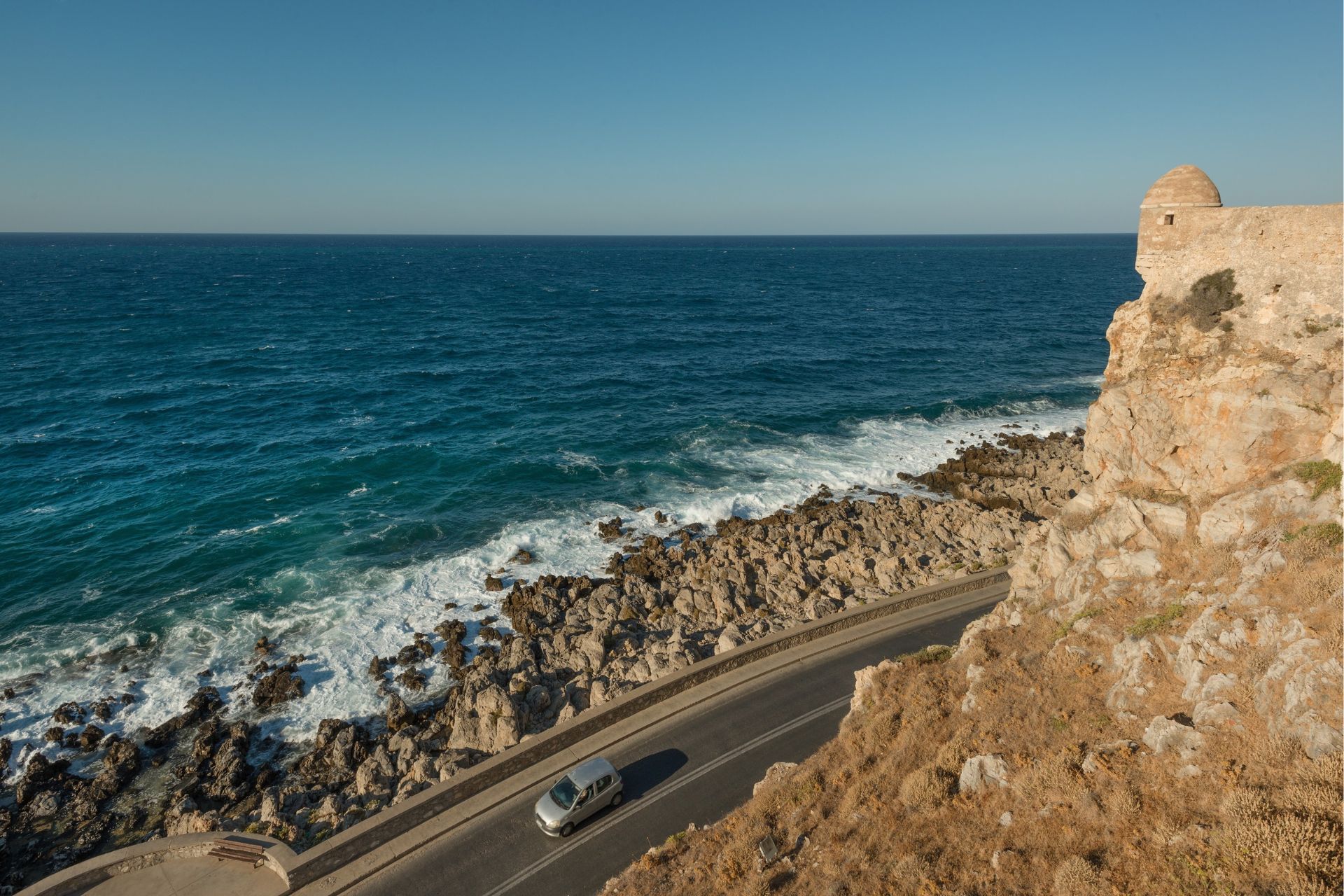
On older national roads, slower vehicles often move partly onto the hard shoulder to let faster traffic pass. You may see trucks, buses and even local drivers doing it automatically.
However, the hard shoulder is not officially another traffic lane. It may suddenly narrow, disappear or have a stopped vehicle. If someone makes room for you, overtake only where it is legal and you have a completely clear view ahead.
2. Flashing headlights means three different things
A flash from an approaching driver can mean 3 things:
- “I am letting you go”,
- “I am coming through” or
- “Watch out, there is something ahead”.
The meaning depends on the situation. At a narrow village street, it may be an invitation to proceed. At a junction, it can be a warning not to pull out. Never rely on the flash alone, but you should check the position.
3. Priority on mountain roads
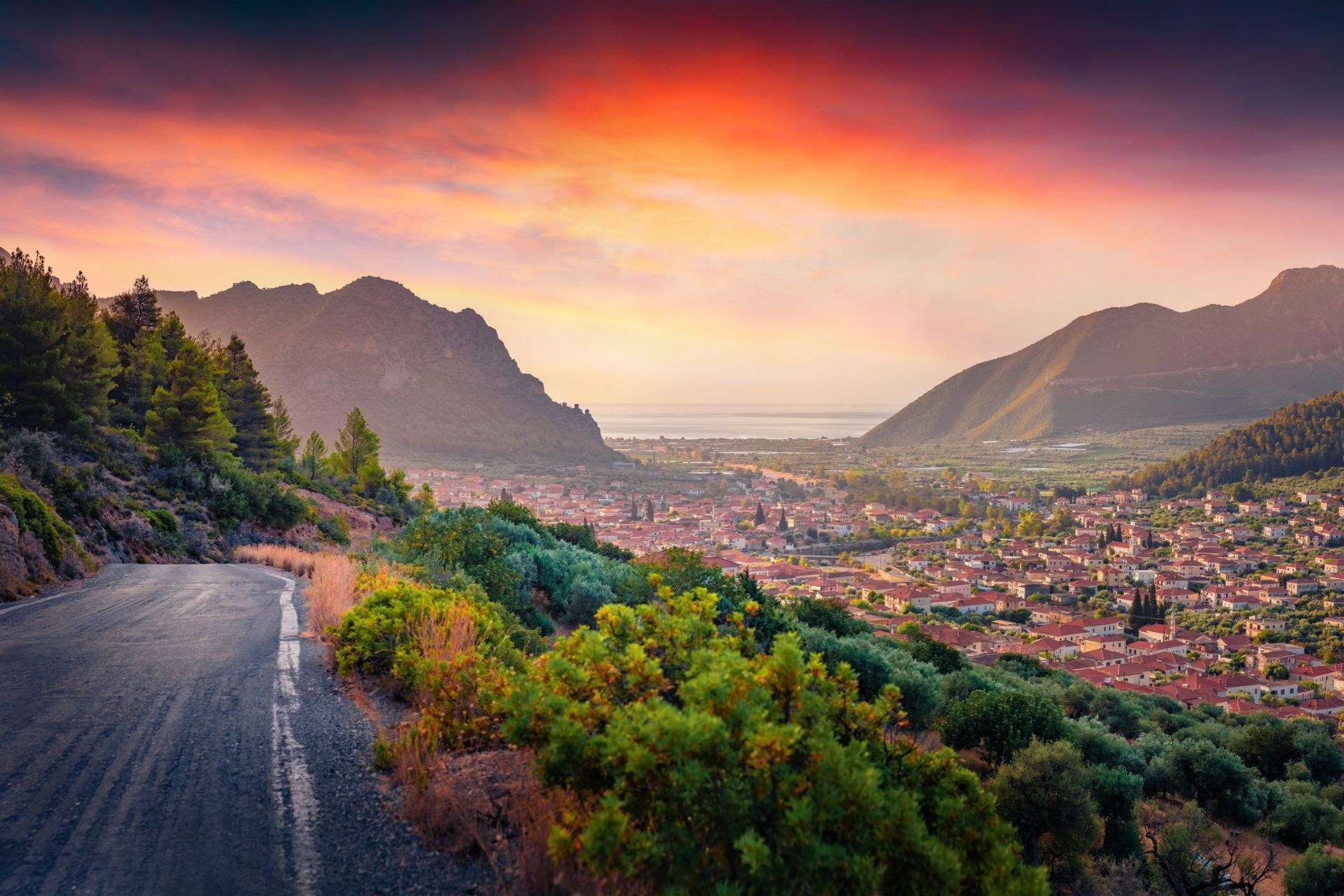
Imagine meeting a local bus on a steep road with space for only one vehicle. Official priority signs come first, but when there are none, the practical question is usually which driver can reverse safely to the nearest wider point.
In many situations, the descending vehicle gives way because reversing uphill is more difficult, depending also on the vehicle size.
4. Goats have right of way
You turn a corner in Crete, Naxos or the Peloponnese and find the road occupied by goats or sheep. This is not unusual in rural Greece, particularly around sunrise or late afternoon when animals move between fields.
The best advice is to slow down and wait. Do not sound the horn aggressively or try to squeeze through the herd. Sheep, goats and dogs can change direction suddenly, and the shepherd will usually clear the road within a few minutes.
5. Village streets were built for donkeys
Navigation apps do not always understand the difference between a road and a stone-paved alley that happens to appear on a map. A suggested shortcut through an old village may include sharp corners, balconies extending over the street and very narrow passages.
If the road starts looking too narrow, stop before entering further. In historic villages, it is better to park outside the historic center and continue on foot rather than finding out that there is nowhere to turn around.
6. The last fuel station before the mountains means it
On the mainland, fuel stations are easy to find around cities and major roads. The situation changes quickly in remote parts of Epirus, the Peloponnese and the Greek mountains, where the next station may be much farther away than expected.
The same applies on smaller islands, especially outside the summer season. If the tank drops below half and you are heading into a remote area, refuel when you have the opportunity rather than trusting the next map result.
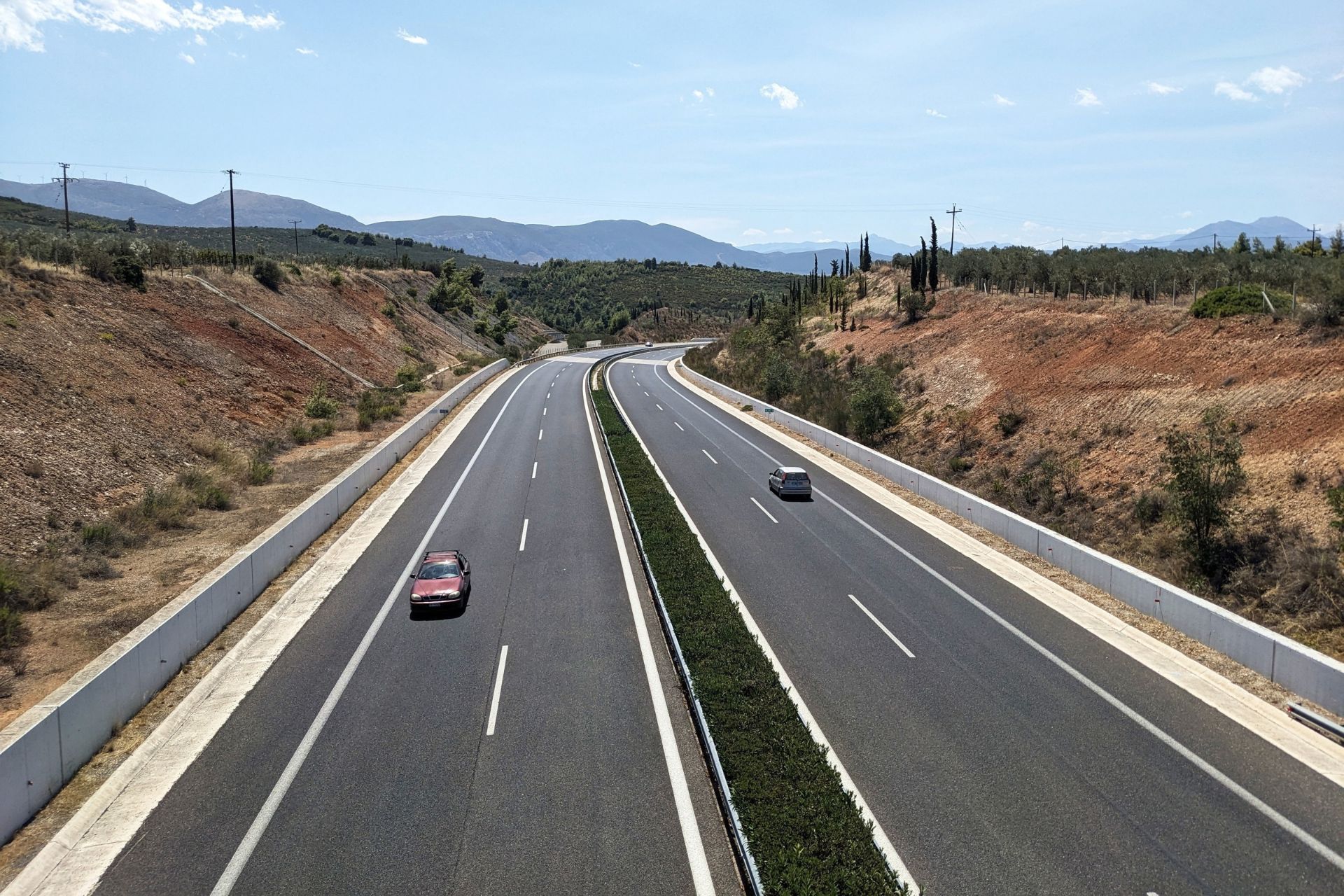
7. Parking in island towns: Think twice, park outside
Trying to park next to an island's chora (the main old town) at 8 p.m. can turn a relaxing evening into 40 minutes of circling one-way streets. Central parking is limited in popular island towns, while some areas become pedestrian-only at certain hours.
Look for public parking at the entrance to the town and walk the final few minutes. It is often quicker, protects the car from narrow-street scratches and makes leaving after dinner considerably easier.
8. Tolls and how to pay them
Most Greek islands have no toll roads, but several major mainland motorways do. On routes such as Athens to Thessaloniki or Athens to the Peloponnese, you will normally pass through multiple toll stations rather than paying once for the entire journey.
Manned lanes generally accept cash and credit or debit cards, while electronic lanes require a compatible transponder. So remember to keep a card and some euros within reach and avoid entering an e-pass-only lane by mistake.
9. Speed cameras exist (mostly on the national road)
A wide, quiet motorway can make it easy to lose track of your speed, particularly after leaving Athens. Fixed and mobile enforcement exist, while limits may change near tunnels, junctions, settlements and roadworks.
Do not assume that a camera is inactive because the car ahead does not slow down. Follow the posted limit and remember that the correct speed may be much lower on island roads, where bends, animals and loose gravel appear without warning.
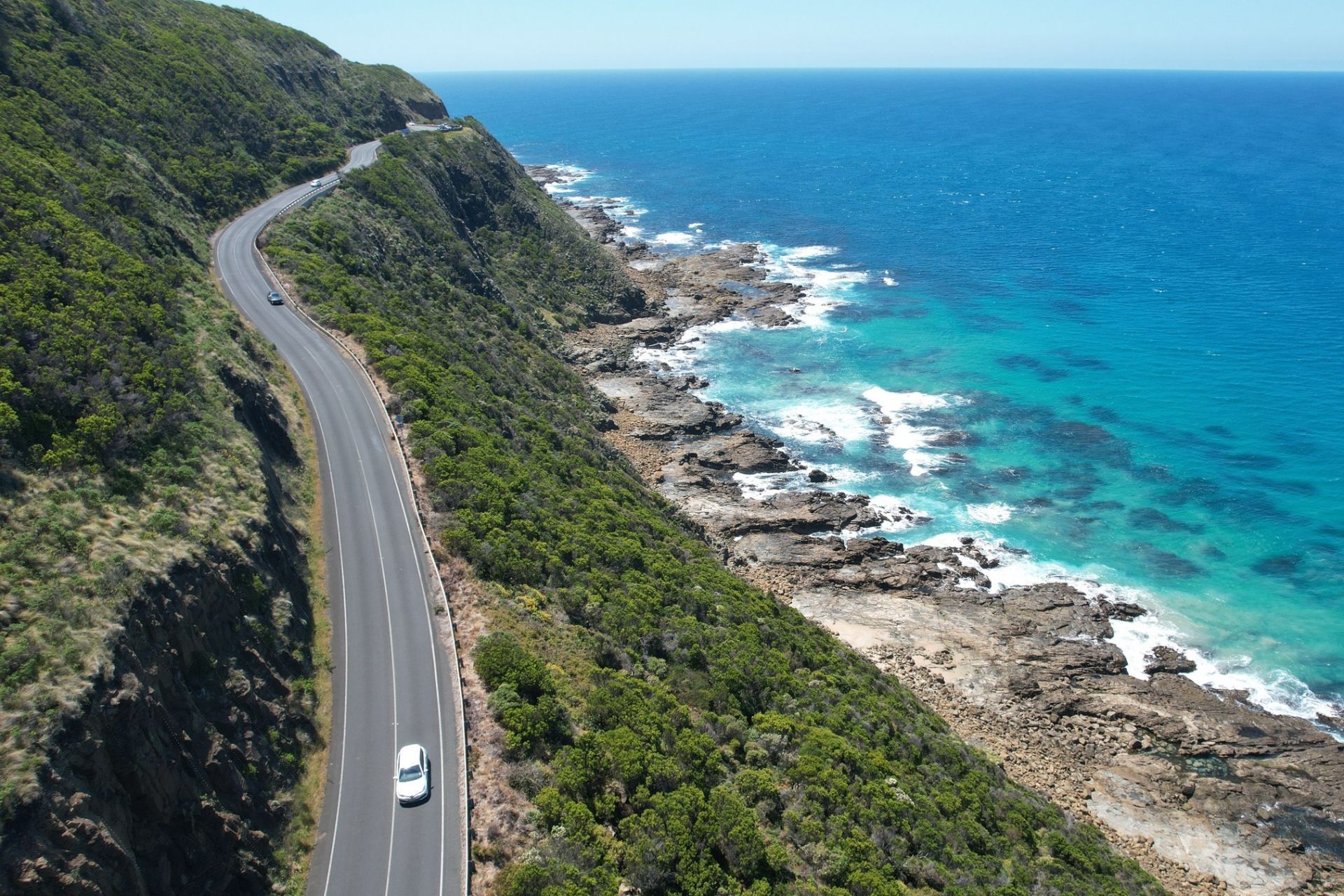
10. Sunday drivers are a real phenomenon
On Sunday mornings and public holidays, rural roads can fill with drivers heading to church, a family lunch or a nearby beach. Expect older cars travelling slowly, sudden turns towards unmarked properties and vehicles stopping outside bakeries or cafés.
The key is to leave extra distance and avoid impatient overtaking. The pace becomes particularly relaxed around villages, where the main road also functions as the local meeting point, parking area and pedestrian route.
11. Horn etiquette on blind bends
On a narrow mountain road, a short horn before a blind bend is often a warning rather than an expression of anger. It tells an approaching driver that another vehicle is entering a section where two cars may not fit.
Use it briefly and only when visibility is genuinely limited. At night, a quick flash of the headlights can serve a similar purpose. Then reduce your speed and stay ready to stop, because the other road user may be a bus, tractor or herd of animals.
12. The coffee stop is part of the journey
Greek road trips are rarely treated as races against the clock. A coffee stop is a chance to rest, check the route and enjoy a view rather than simply buy caffeine.
On longer mainland journeys, motorway service areas offer reliable facilities. On islands and rural routes, a village café may be the better option. Taking a proper break also helps you stay alert, especially after a flight or during a hot summer afternoon.
What you need to rent a car in Greece
For renting a car in Greece, you will normally need:
- A valid driving license
- A passport or national identity card
- A payment card accepted under the rental conditions
- Your booking confirmation or voucher
Licenses issued by EU and EEA countries are recognized in Greece. Drivers with licenses from other countries should check whether their national license is accepted or whether an International Driving Permit is required. When an International Driving Permit in Greece is needed, it must be carried together with the original driving license, as it is not a replacement for it.
Minimum age and license-holding requirements depend on the rental company, vehicle category and location. Young-driver or senior-driver fees may also apply, so always check the terms for your chosen station before booking.
Payment and security deposit policies can vary as well. At selected Abbycar locations and with specific protection packages, a deposit-free rental option may be available.
Island driving vs mainland driving
Driving on the Greek mainland usually means longer distances, motorways, toll stations and faster traffic. Routes are generally well connected, but mountain areas can still include narrow roads and limited fuel options.
On the other hand, island driving is slower and more compact. You may cover only 40 kilometers in a day, yet encounter steep bends, village traffic, scooters, animals and busy parking areas. A small car is often the most convenient choice for island towns, while a comfortable vehicle with enough luggage space may be better for a longer mainland road trip.
In both cases, car rental in Greece gives you the freedom to travel beyond the main bus routes, stop at smaller beaches and villages, and organize each day around your own plans.
Read next: Greece in October: Why locals call it the secret best month.
With more than 15 years of experience in car rental and a long-standing presence across Greece, we have seen that many visitors underestimate travelling times, especially on islands and in mountainous regions. Our advice is to not plan your route based only on distance. Allow extra time for narrow roads, village traffic, unexpected stops and the occasional herd of goats.
FAQ
Yes, driving in Greece is generally safe when you respect speed limits, wear seat belts and adapt to local road conditions. Motorways are modern, but rural and island roads may be narrow, poorly lit or shared with animals and pedestrians.
EU and EEA license holders generally do not need an IDP. Requirements for licenses issued elsewhere depend on the issuing country and the type of license.
You can take cars between some islands by ferry, but rental companies may require advance permission and additional insurance coverage. Never book a ferry for a rental vehicle before checking the terms.
An automatic can make steep roads, tight parking and stop-start traffic easier, particularly for drivers unfamiliar with manual transmission. Manual cars are usually more widely available and may cost less. Automatic vehicles are limited on smaller islands, so early booking is recommended.
With more than 15 years of experience in car rental, a modern vehicle fleet and convenient locations across Greece, Abbycar helps you start your journey with confidence. Choose the car that suits your route, check the rental conditions clearly before arrival and enjoy the freedom to explore Greece beyond the usual tourist stops.

AbbyCar Car Rental Experts
Car Rental & Travel Mobility Experts
Abbycar’s articles are created by experienced car rental professionals specializing in international travel. With deep knowledge of rental processes, insurance, and local regulations, our goal is to provide accurate, transparent, and reliable guidance to travelers worldwide.
For more travel advice and car-rental insights, visit AbbyCar Blog