What happens to Greek islands when the tourists leave
By late October, something strange begins to happen on the Greek islands.
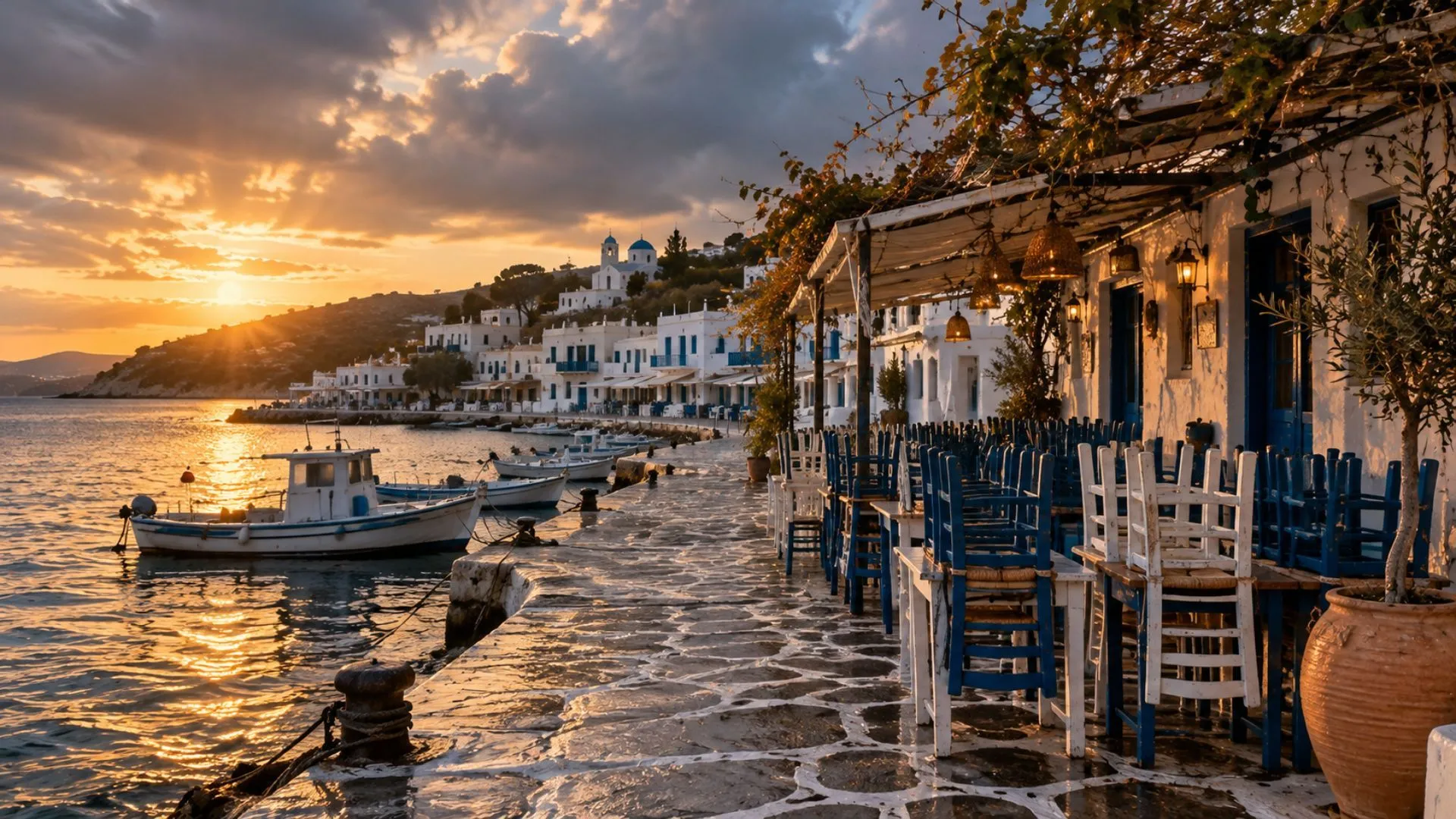
On the Mykonos waterfront, chairs are stacked inside restaurants. Beach clubs lock their doors. Suitcases roll towards the port for the last time, seasonal workers hug each other goodbye and another ferry pulls away with far more people leaving than arriving.
Within weeks, an island that barely slept all summer becomes almost silent.
So, what actually happens to the Greek islands when the tourists leave?
The last ferry of October
There is no official moment when summer ends in Greece. But on many tourism-dependent islands, late October feels very much like one.
Direct international flights stop. Hotels close their shutters. Rental scooters disappear from the streets and restaurants that served hundreds of dinners every evening suddenly have no customers.
The change can be surprisingly fast.
Greek tourism is slowly becoming less seasonal, but summer still accounts for almost three quarters of annual tourism demand. On smaller islands, the contrast is even stronger.
Plus, the people leaving are not only tourists. Thousands of seasonal employees who spent five or six months working in hotels, restaurants, bars and tourism businesses return to Athens, Thessaloniki or their hometowns. For most of them, the season is almost a separate life, followed by another routine during winter.
The islands that empty out (and where everyone goes)
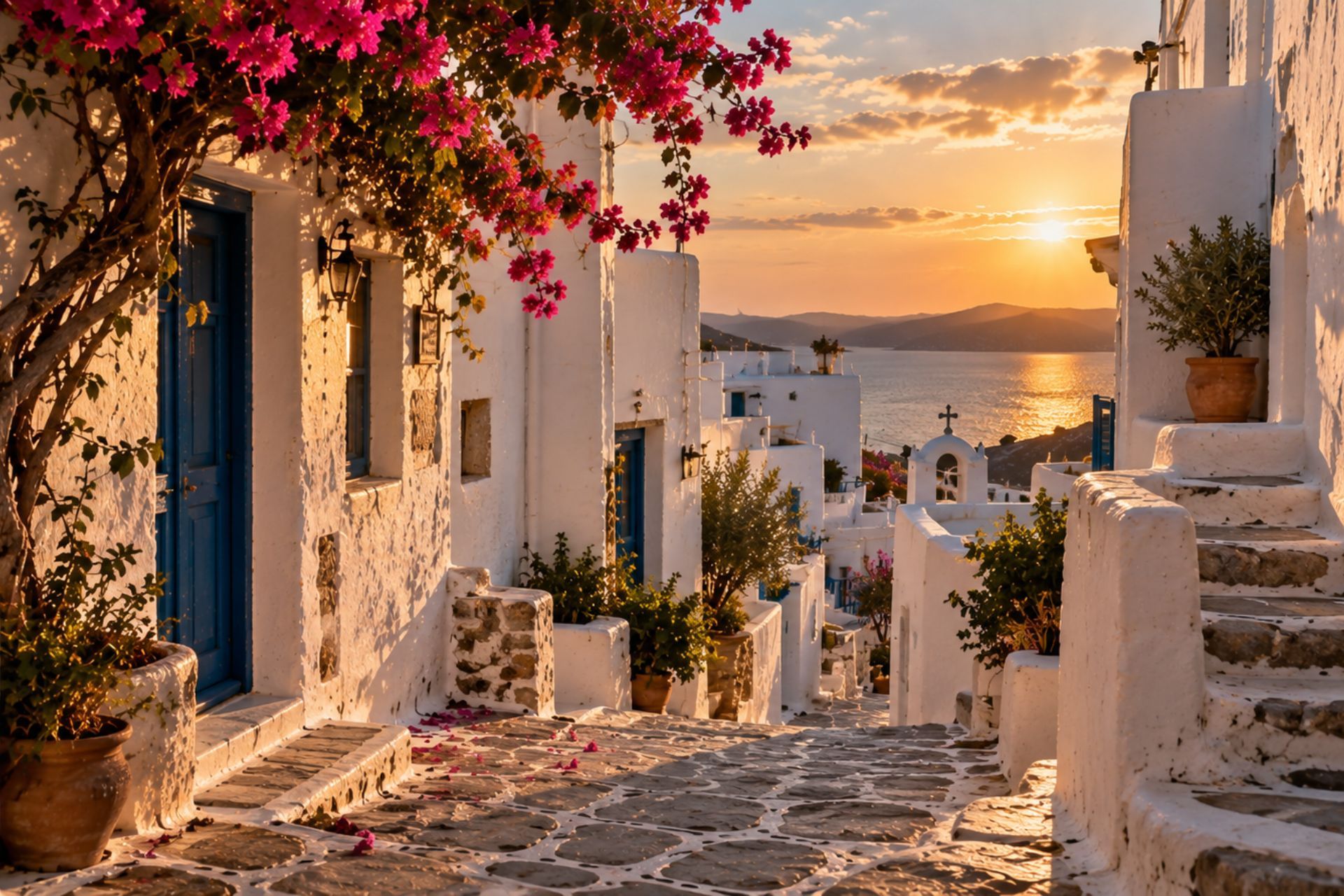
The postcard islands of July are completely different places in January.
Mykonos, Santorini and many other Cycladic, Dodecanese and Ionian islands are not abandoned, of course. Permanent communities remain, children go to school, supermarkets open and local cafés continue serving the same customers every morning.
But much of the temporary summer population disappears.
Some seasonal workers return to mainland Greece. Others move between seasonal jobs, following summer tourism with winter employment elsewhere. And of course, tourism businesses use the quieter months for maintenance, renovations and preparation for the next season.
On the smallest islands, the difference can be extreme. Pserimos, for example, has fewer than 25 permanent residents during winter, while its population and activity increase substantially during summer.
Winter also exposes something tourists rarely see, that island life can be difficult. The ferry connections are rare, while healthcare, schools and basic services become serious concerns once the summer crowds and media attention disappear. On remote islands, even a ferry being unable to sail for several days can affect everyday life.
Yet not every Greek island goes into hibernation.
The islands that never close
Some islands are large enough to have universities, hospitals, businesses, agriculture and substantial permanent populations. Tourism matters enormously, but it is not the only thing that keeps them alive.
These are some of the best places to experience Greek islands in winter.
Crete: A country of its own
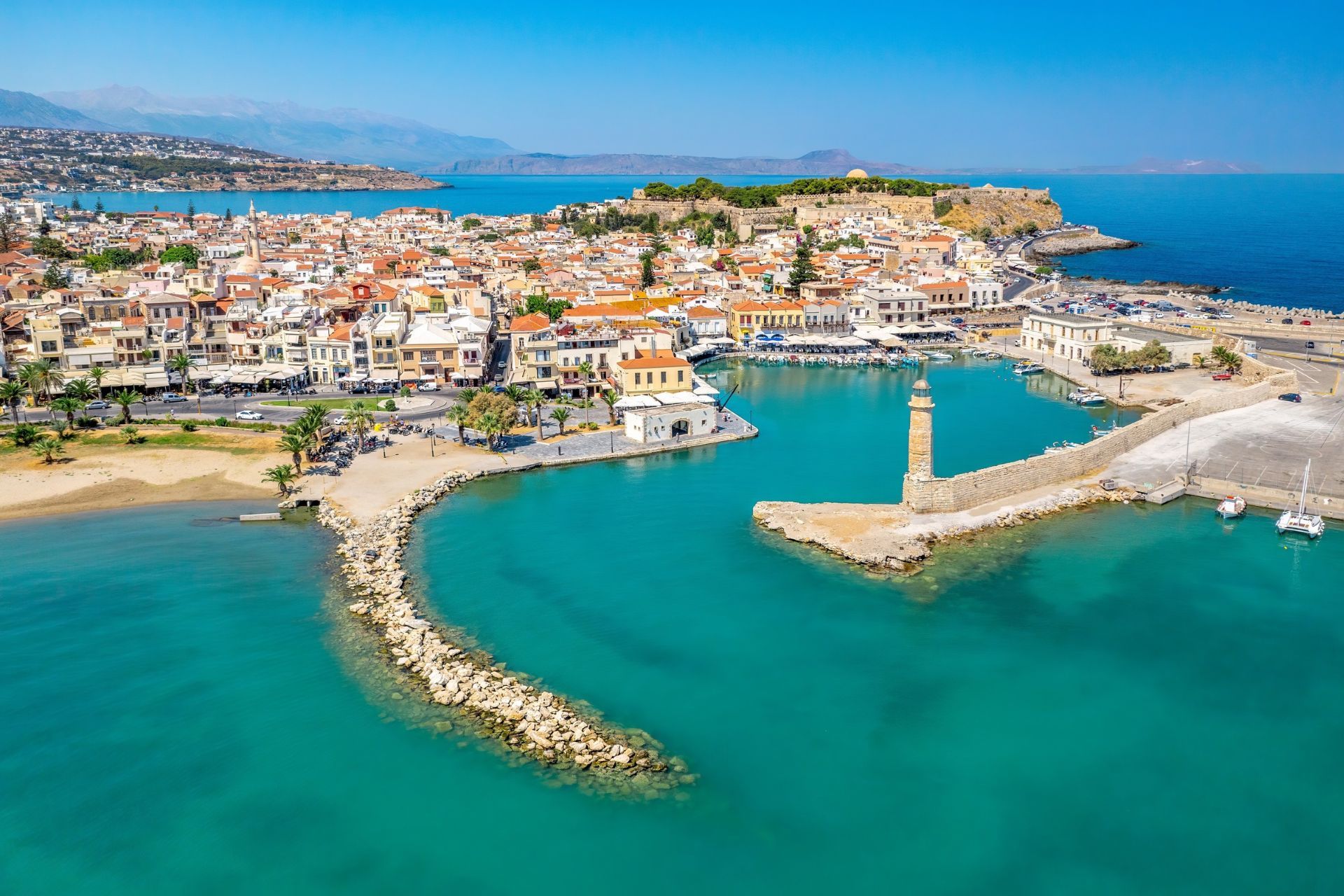
Crete is not a seasonal island. Greece's largest island has four major cities, mountain villages, agriculture and a strong local economy that continues long after the beach resorts become quiet.
Winter simply changes its rhythm.
This is olive season, for example. Across Greece, the olive harvest begins in October and continues through the following months. In rural Crete, that means families returning to their groves, olive presses working again and villages becoming busy for reasons that have nothing to do with tourism.
For travelers, Crete in winter offers something completely different from August and it is worth the trip. Empty archaeological sites, quiet coastal roads, mountain villages and tavernas filled mostly with locals.
And because Crete is the largest Greek island, with cities and attractions spread across long distances, driving remains one of the easiest ways to explore it.
Rhodes: The medieval city is better in winter
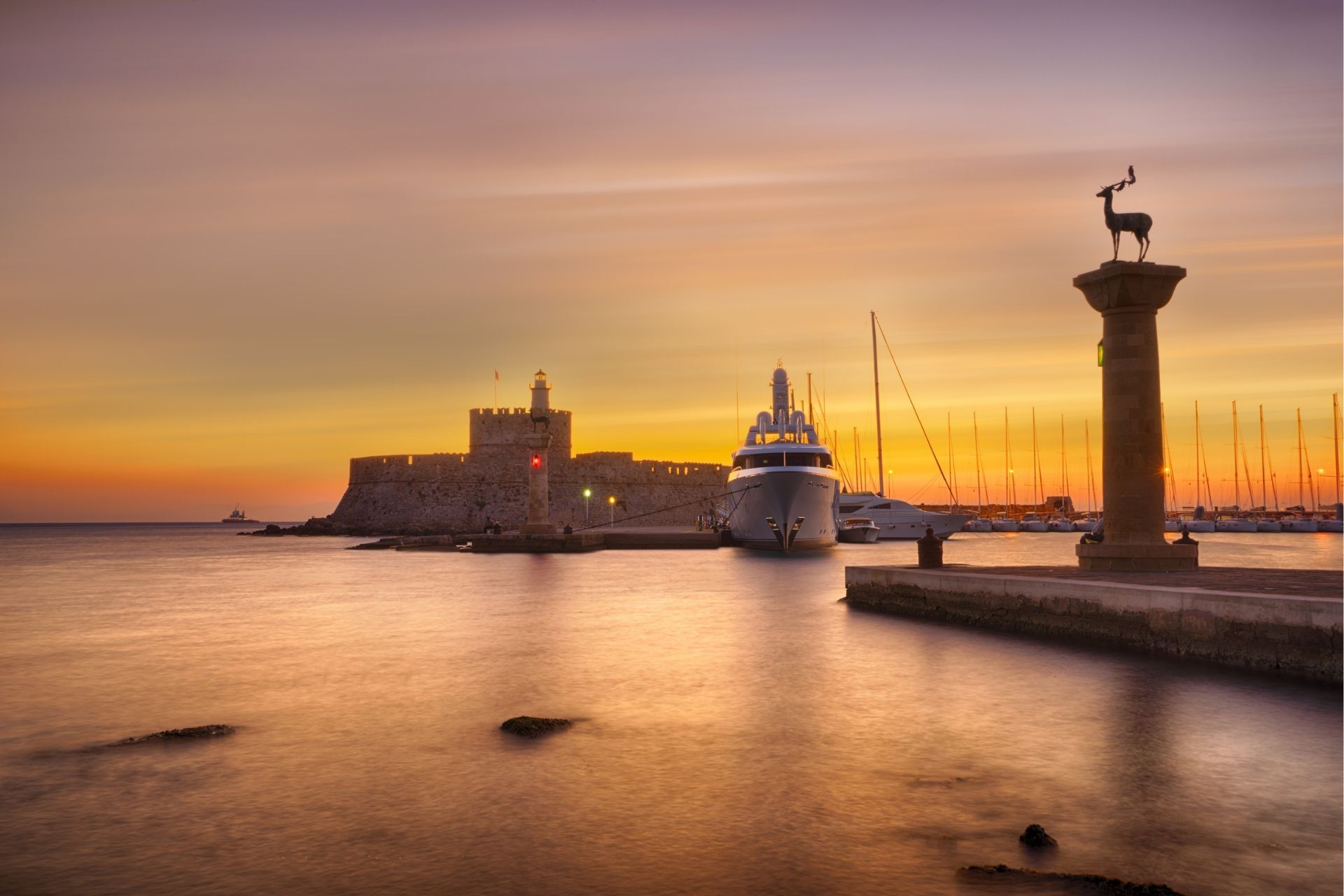
Rhodes also has enough permanent life to keep going throughout the year.
The famous resorts, like Faliraki and Afandou, become much quieter, but Rhodes Town does not disappear with them. People still work, shop, meet for coffee and walk through the medieval streets.
In summer, the Old Town can feel like one enormous visitor attraction. In winter, you suddenly notice the actual city underneath it. There are no crowds squeezing through narrow alleys, no rush to photograph everything before the tour group moves on and no midday heat pushing you towards the nearest shade.
Rhodes in winter is slower, quieter and surprisingly atmospheric.
Corfu: Green season is its real season
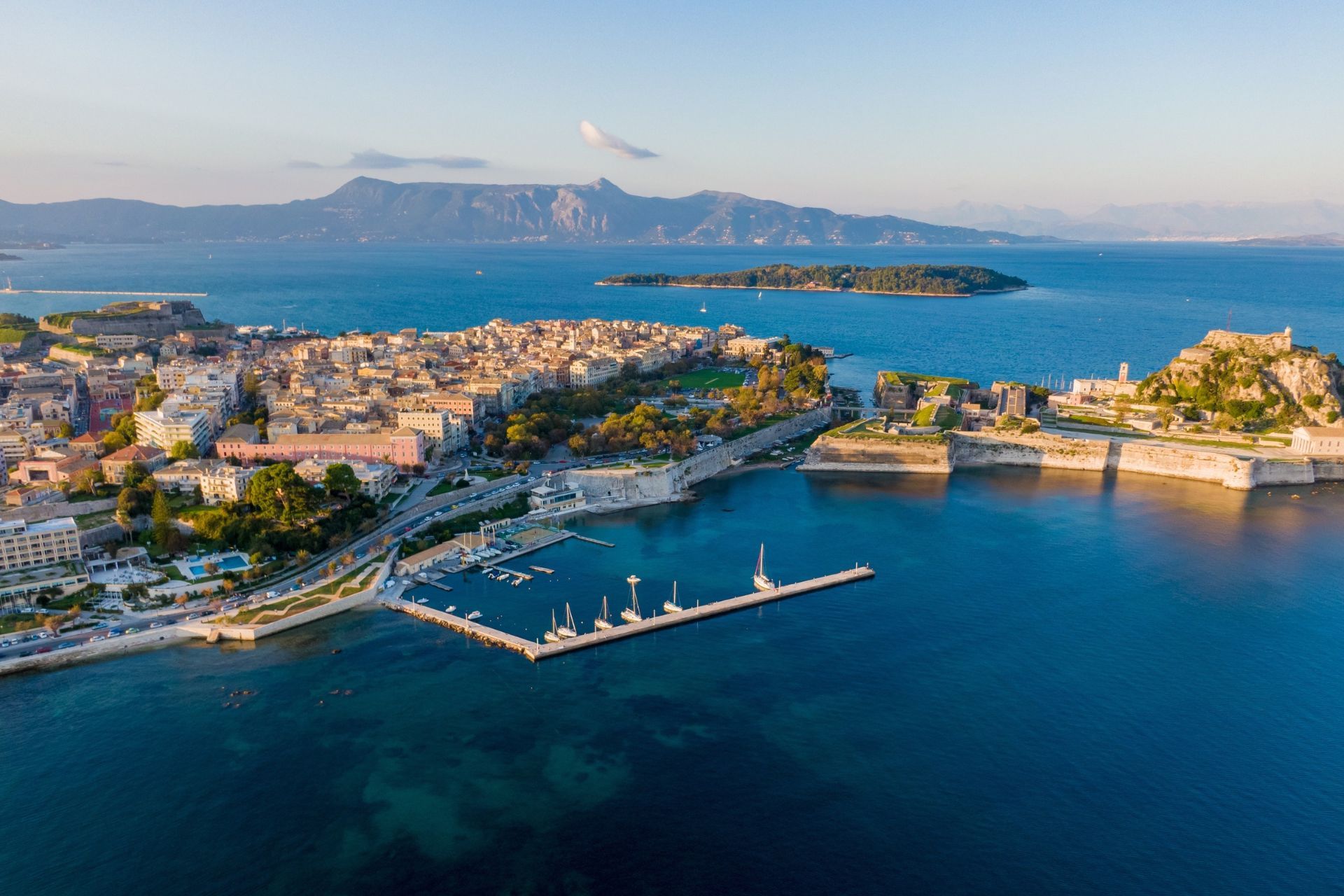
Summer visitors know Corfu for turquoise water and beaches with golden sand. Winter visitors see why the island is so green.
The Ionian Islands receive considerably more rainfall than most Greek island regions, which explains their famously lush landscapes.
By winter, Corfu feels almost transformed. Olive groves become greener, the countryside becomes misty after rain and Corfu Town returns to local life.
The Old Town remains one of Greece's most beautiful urban landscapes, with its Venetian architecture, squares and narrow streets, but without summer's visitor numbers. Corfu's cultural calendar also gives the island reasons to visit beyond the beach season.
And there is something particularly local about a Sunday volta, a promenade through town when most of the people around you actually live there.
What winter looks like for the locals who stay
Winter island life is not simply summer life without tourists. It has its own character.
On Crete, November can mean olive harvesting rather than beach days. Families spend weekends in the countryside, sacks of olives arrive at local presses and fresh olive oil appears on kitchen tables.
In Corfu Town, cafés still fill on Sunday mornings. Children go to school, neighbors stop to talk and the Liston becomes a meeting place rather than a sightseeing stop.
Elsewhere, fishermen repair boats, hotels renovate rooms and restaurant owners finally have time to sit at the tables they spent all summer serving.
Life becomes smaller and more local. For visitors, that is precisely the appeal of Greece off season. You are no longer watching an island perform its summer version of itself.
You are seeing what remains when the performance ends.
Visiting the off-season islands (a car is non-negotiable)
There is one practical difference that travelers should understand before visiting Greek islands in winter. Transport becomes much more limited.
Routes designed around summer demand are reduced, some tourism services stop entirely and getting from a town to a remote village or beach can become complicated without your own vehicle.
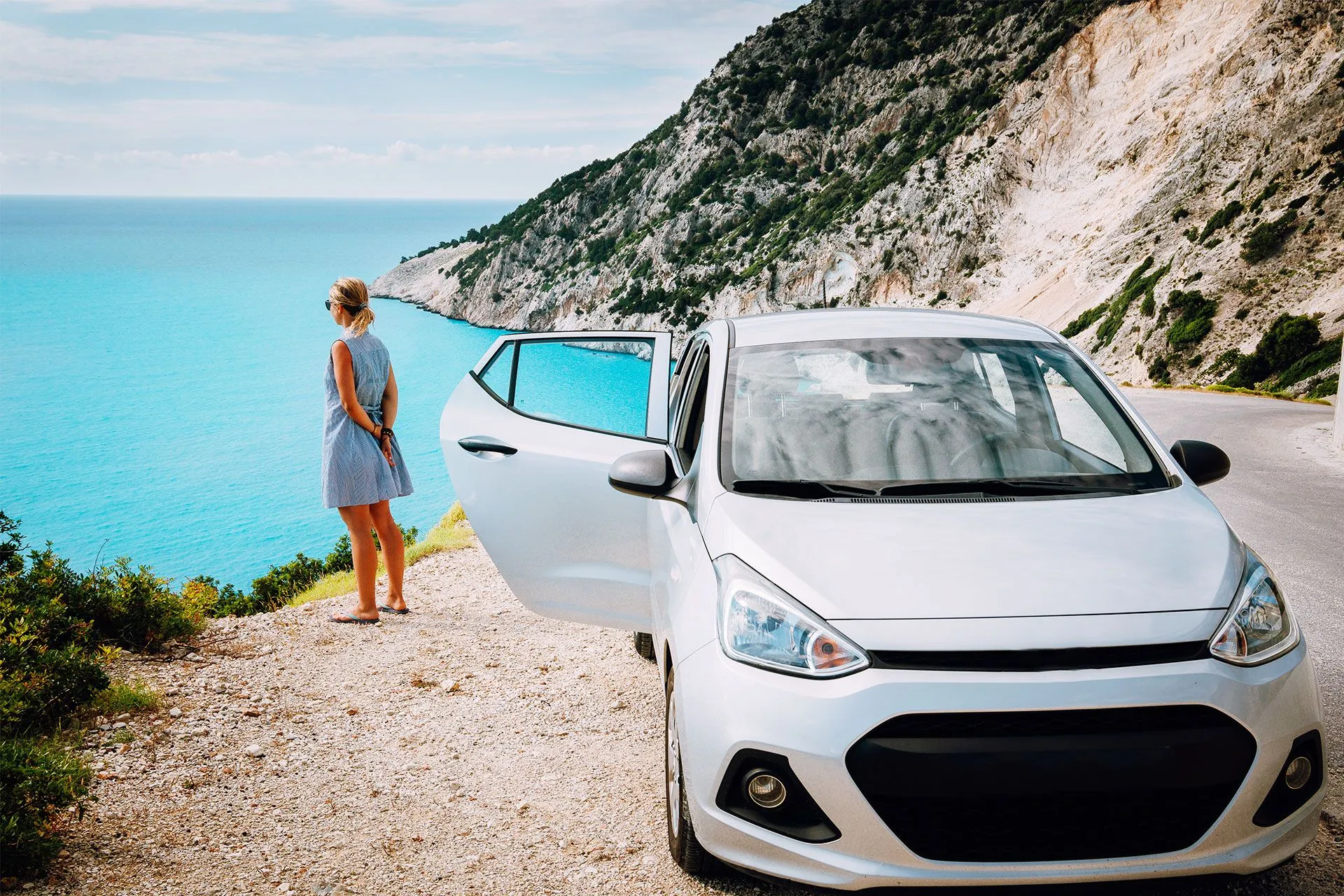
That changes the way you travel. With a car, you can have lunch in a mountain village, follow a coastal road with almost nobody else on it and change your plans because the weather suddenly cleared.
This is particularly useful on large islands such as Crete, Rhodes and Corfu, where distances between towns, villages and natural attractions can be considerable. In Corfu, for example, many of the island's villages, beaches and viewpoints are easiest to reach by road.
Greece in November: The month everyone skips (wrongly)
Abbycar operates across Greece and offers travelers the flexibility to explore beyond the main tourist centers with modern vehicles and straightforward rental options. After more than 15 years in the car rental market, we know that some of the best island drives happen when the summer traffic has disappeared.
Frequently Asked Questions
Yes, but the experience varies considerably between islands. Permanent communities continue their everyday lives, although many seasonal hotels, restaurants and tourism businesses close. Ferry and public transport services can also be less frequent.
Crete, Rhodes and Corfu are among the easiest choices for winter travel because they have large permanent populations, cities and year-round services. Other larger islands can also work well, but very small and tourism-dependent islands may have limited accommodation, restaurants and transport.
Yes, if you are looking for local life rather than a beach holiday. Winter offers quiet historic towns, uncrowded archaeological sites, green landscapes and a completely different side of island Greece. Just check ferry or flight connections, accommodation and transport before travelling.

AbbyCar Car Rental Experts
Car Rental & Travel Mobility Experts
Abbycar’s articles are created by experienced car rental professionals specializing in international travel. With deep knowledge of rental processes, insurance, and local regulations, our goal is to provide accurate, transparent, and reliable guidance to travelers worldwide.
For more travel advice and car-rental insights, visit AbbyCar Blog