Marrakech in December: Sun, souks and 20°C afternoons
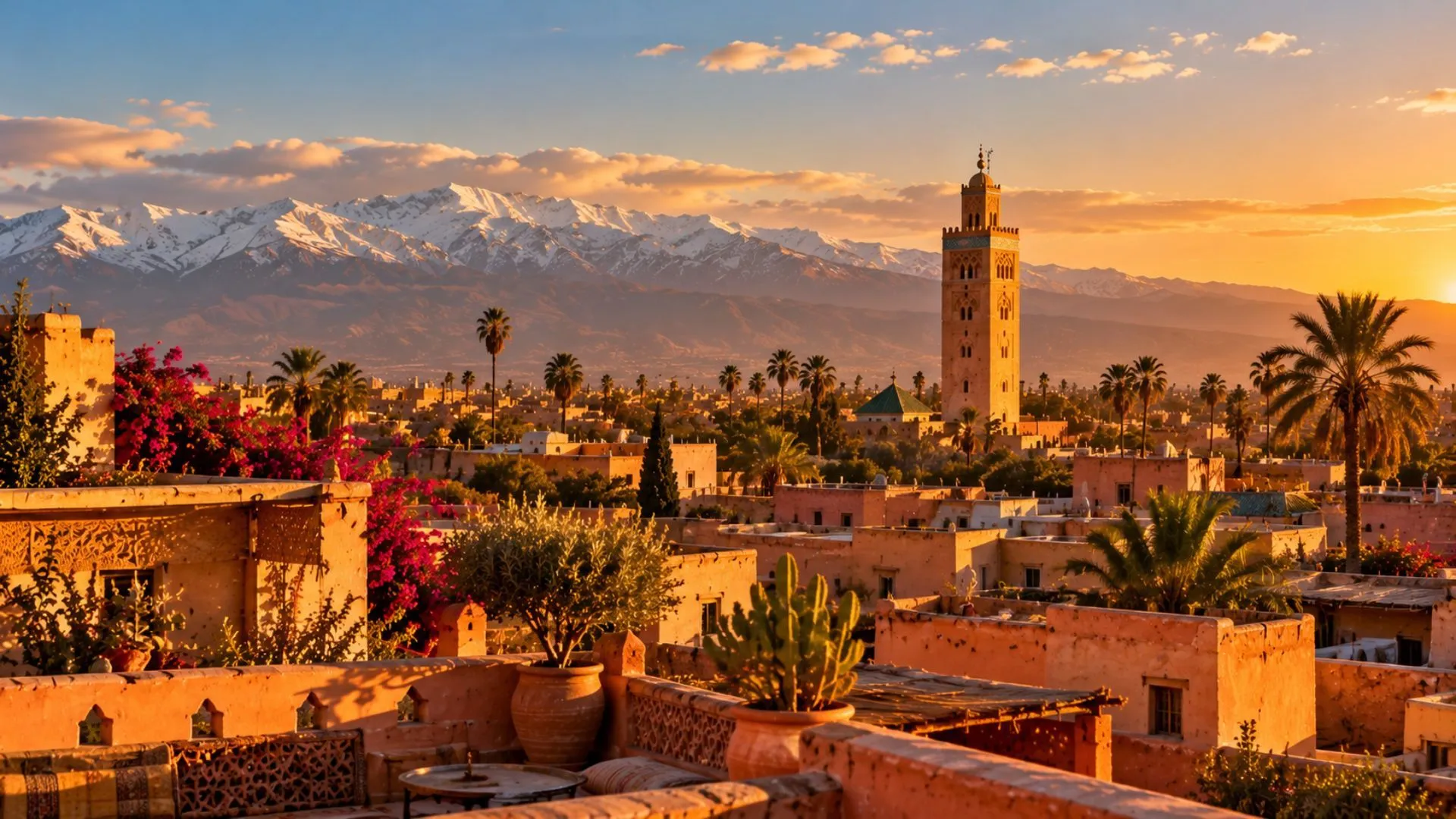
Imagine spending your afternoon in Marrakech's famous Jemaa el-Fnaa square, enjoying the sunshine in a light jacket, while snow covers the peaks of the Atlas Mountains in the distance. That's Morocco in December, a destination where winter is warm, but can surprise you.
From the colorful souks of Marrakech to the Atlantic coast and mountain valleys, December offers a different way to see Morocco differently, without the intense summer heat or the biggest tourist crowds.
Winter weather, honestly: City vs mountains vs coast
Is Morocco warm in December? The answer depends on where you're going.
While much of Europe, especially central and northern European countries, is dealing with freezing temperatures, Marrakech often enjoys pleasantly mild afternoons. However, Morocco's landscapes are incredibly varied, and winter weather changes significantly between the cities, mountains and coast.
Here's what you can generally expect:
| Destination | Typical December daytime temperatures | What to expect |
| Marrakech | 18–21°C | Sunny afternoons, chilly evenings |
| Atlas Mountains | 5–15°C in lower valleys | Cold conditions, with snow at higher elevations |
| Essaouira | 17–20°C | Mild temperatures, Atlantic winds |
| Agadir | 20–23°C | Generally sunny, comfortable afternoons |
| Sahara Desert | 15–22°C | Pleasant days, potentially very cold nights |
These are approximate ranges, not guaranteed daily temperatures. Rain is possible, particularly in northern Morocco and mountainous areas.
The biggest surprise for many visitors is how quickly temperatures drop after sunset. Marrakech might feel warm enough for a T-shirt at lunchtime, but you'll probably want a proper jacket when exploring the medina after dinner.
If you're comparing Morocco in November with December, November is generally warmer, particularly in the evenings. December, however, brings the possibility of snow-covered mountain scenery and a festive atmosphere around the New Year.
Our advice is to pack layers rather than relying on one winter coat. Sunglasses, comfortable walking shoes, a warm jumper and a waterproof jacket will cover most situations.
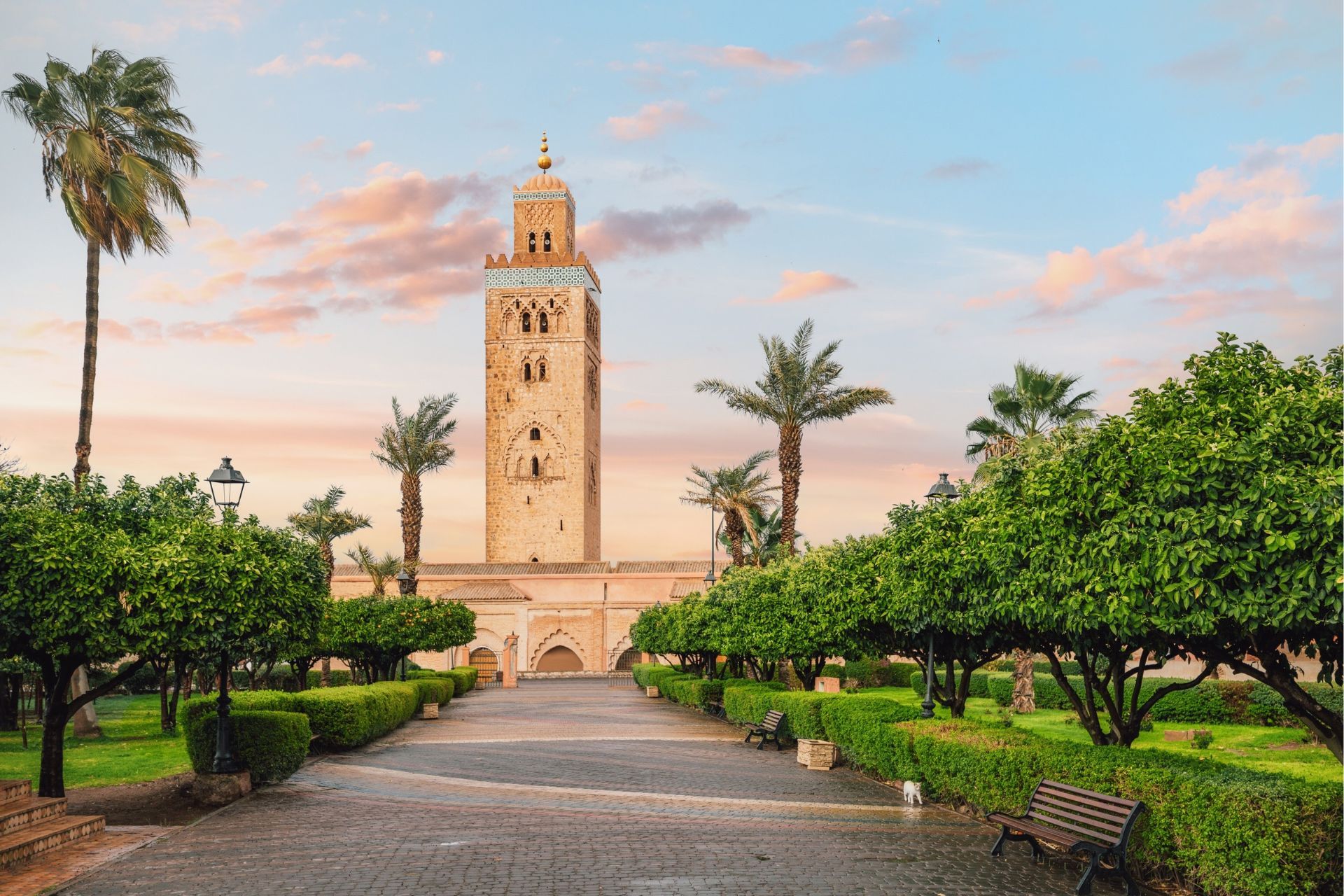
Marrakech in winter: The medina without the heat
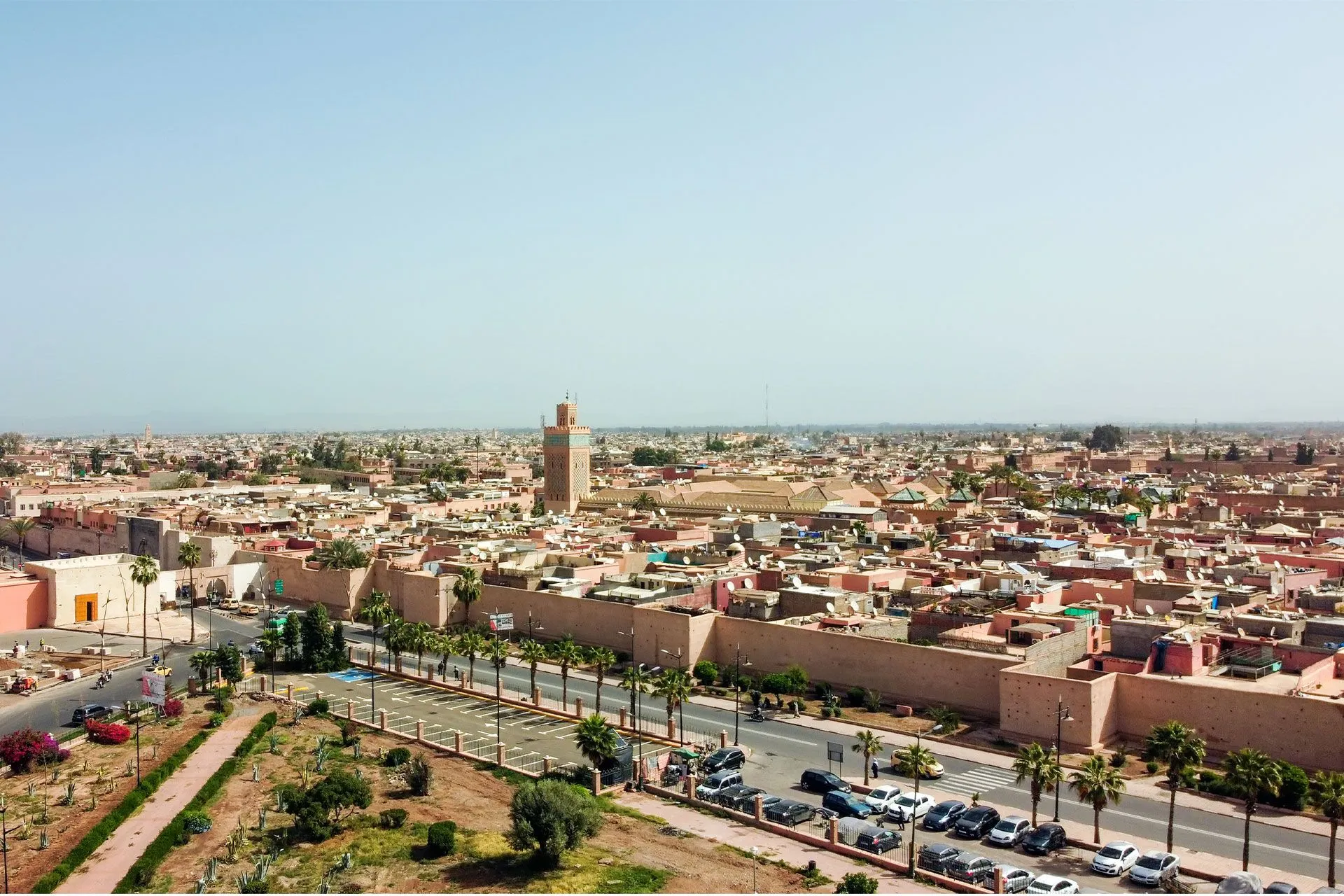
What makes Marrakech special in December is that the city is more comfortable to explore on foot, especially if you've ever experienced its intense summer temperatures.
During July and August, sightseeing often means planning around the midday heat. In December, those same hours can be the best part of the day.
Start your morning with mint tea on a rooftop terrace before heading into the medina. By lunchtime, the streets are usually pleasantly warm, making it easier to spend several hours exploring the city’s landmarks.
Some of the best places to visit in Marrakech are:
- Jemaa el-Fnaa: Marrakech's famous central square, where food stalls, performers and market activity create an atmosphere unlike anywhere else.
- Bahia Palace: A beautiful example of Moroccan architecture, with intricate tilework, decorated courtyards and peaceful gardens.
- Saadian Tombs: A historic royal burial complex known for its elaborate decoration.
- Majorelle Garden: A colorful botanical garden that offers a quieter break from the busy streets of the medina.
December is also an excellent time to explore the souks without feeling exhausted by the heat. You can wander through stalls selling handmade ceramics, leather goods, lanterns and traditional textiles at a much more relaxed pace.
One thing worth remembering is that Marrakech's medina is best explored on foot. Its narrow streets, pedestrians and motorcycles make driving impractical in many areas.
If you're planning to rent a car, it is better to use it for journeys outside the city and leave it in a designated parking area while exploring the historic center.
And when the sun goes down? Head to a rooftop restaurant overlooking Jemaa el-Fnaa, order a traditional tagine and enjoy the city as its lights begin to glow.
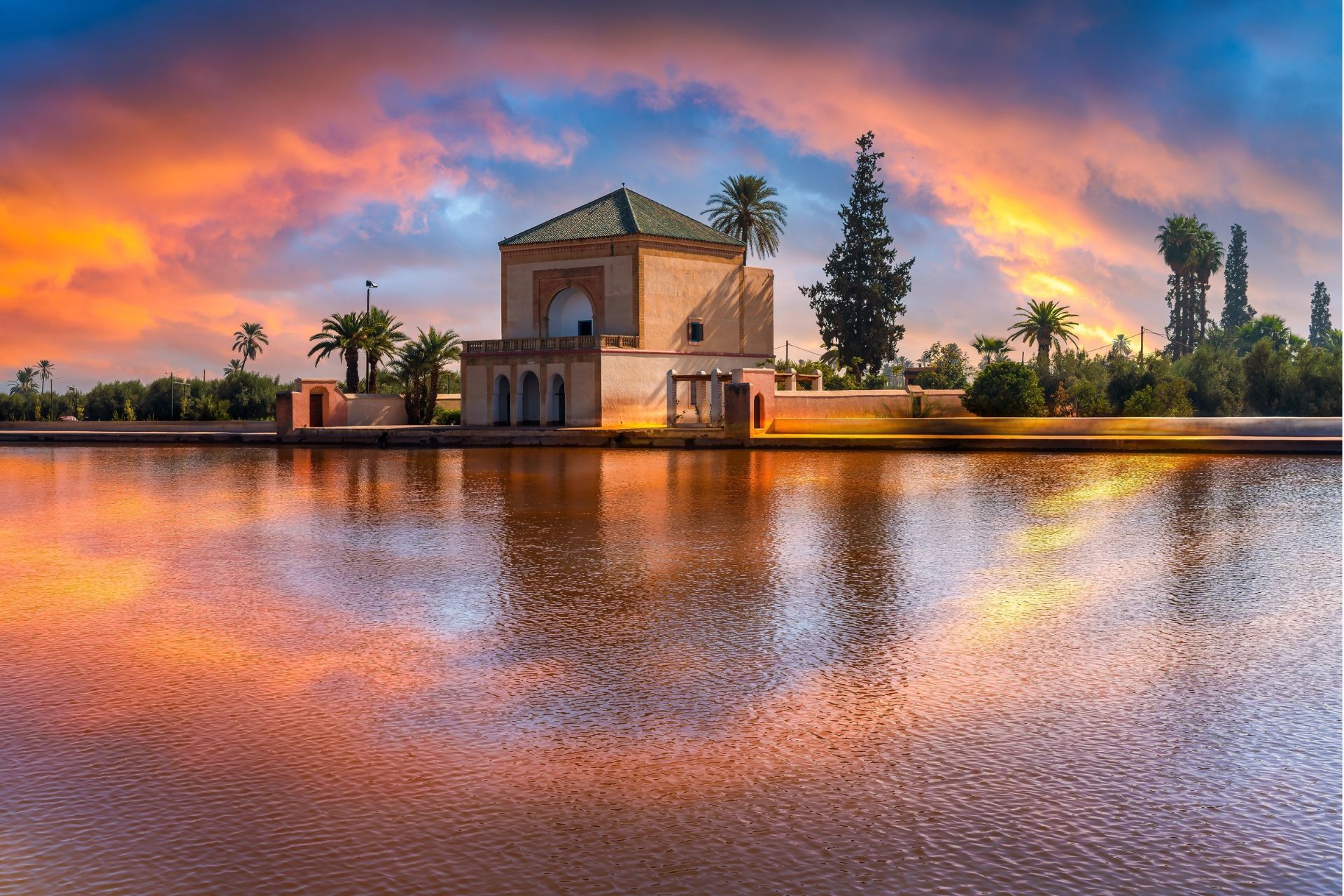
Three winter road trips worth taking
One of the biggest advantages of visiting Morocco in winter is the opportunity to experience completely different landscapes within a few hours.
With a rental car, you can leave Marrakech's busy streets behind and reach mountain valleys, Atlantic beaches and sunny coastal cities at your own pace.
Here are three particularly rewarding winter drives.
Into the Atlas: Ourika Valley and the Tizi n'Test Road
Starting point: Marrakech | Ourika Valley: approximately 1–1.5 hours
The Atlas Mountains provide one of Morocco's most dramatic winter landscapes. Drive towards the Ourika Valley and you'll you’ll pass traditional Berber villages, riverside restaurants and mountain scenery that looks especially impressive when the higher peaks are covered in snow.
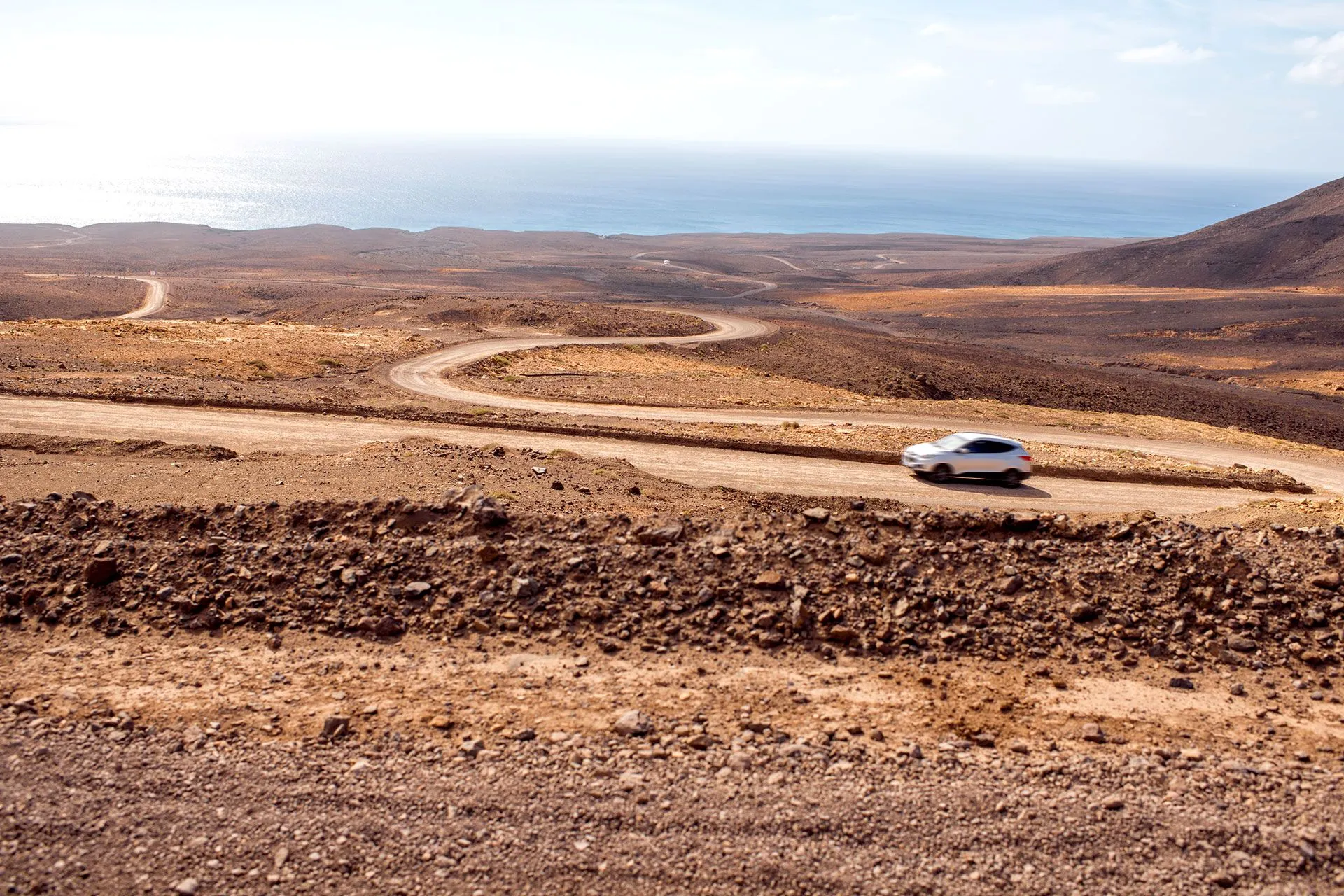
For experienced drivers seeking a more adventurous Atlas Mountains road trip, the Tizi n'Test mountain pass offers spectacular views and winding roads. However, snow, ice and changing weather can make this route dangerous or inaccessible in winter. Always check current road conditions before travelling and avoid the pass if conditions are uncertain.
For a more relaxed December excursion, the lower Ourika Valley is generally the best choice.
The Coast Run: Essaouira's wind-blown ramparts
Starting point: Marrakech | Driving time: approximately 2.5–3 hours
Swap Marrakech's red buildings for Essaouira's whitewashed streets and blue fishing boats. This Atlantic coastal town is completely different from Morocco's inland cities, with a laid-back atmosphere, historic ramparts and excellent seafood restaurants.
December is ideal for walking through its UNESCO-listed medina, photographing the fishing harbor and enjoying long lunches overlooking the ocean.
The Atlantic wind can make Essaouira feel cooler than the thermometer suggests, so bring an extra layer.
If you're staying overnight, having a car gives you the flexibility to explore the surrounding coastline before continuing your journey. Essaouira also makes an excellent stop on a longer Moroccan road trip.
South to Agadir: 300 sunny days
Starting point: Marrakech | Driving time: approximately 3 hours
Agadir is famous for its sunny climate, often described as enjoying around 300 days of sunshine a year. Although December isn't guaranteed to be beach weather, daytime temperatures can still reach the low twenties.
The city offers a long beachfront promenade, cafés and a more modern atmosphere than Marrakech.
With a rental car, you can continue north to Taghazout, a relaxed surfing village known for its Atlantic beaches, or explore Paradise Valley in the foothills of the Anti-Atlas Mountains.
Agadir is particularly appealing if you want to combine cultural sightseeing in Marrakech with a few days of coastal relaxation.
Read also: Car Rental in Marrakech: Tips and Instructions.
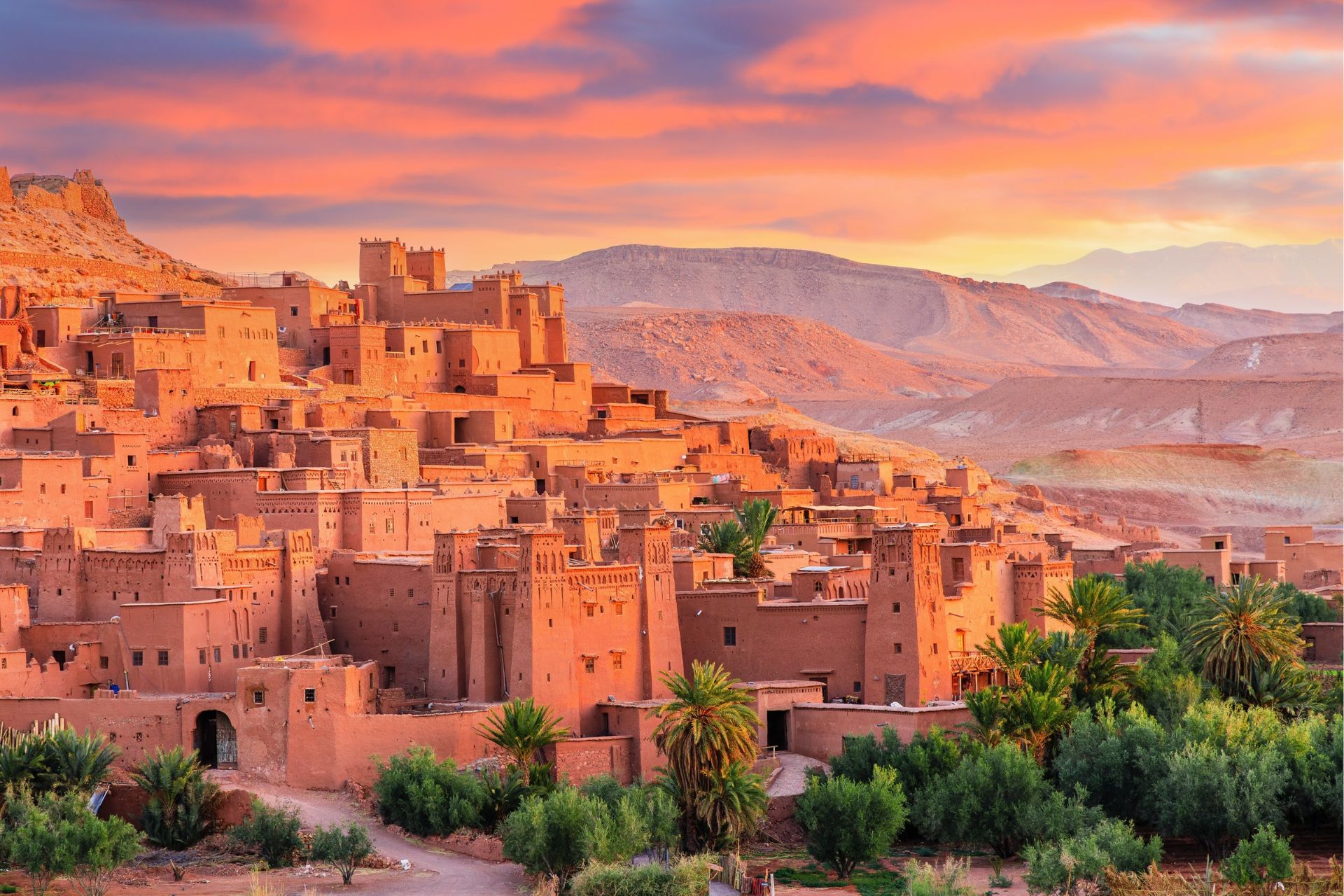
Driving in Morocco: What to expect
Driving in Morocco can be a rewarding experience, particularly when you're travelling between major cities and established tourist destinations.
The country's main motorways are generally well maintained, and routes connecting Marrakech, Essaouira and Agadir are straightforward for drivers accustomed to European roads.
However, there are a few things worth knowing before collecting your rental car:
- Road conditions: Motorways and major national roads are usually in good condition. Rural and mountain roads may be narrower, with sharp bends, uneven surfaces or limited lighting.
- Speed limits: Typical limits are 60 km/h in urban areas, 100 km/h on many roads outside towns and 120 km/h on motorways, unless signs indicate otherwise.
- Police checkpoints: Routine checkpoints are common throughout Morocco. Slow down, follow officers' instructions and keep your driving license, identification and rental documents accessible.
- Parking: In busy cities, use designated parking facilities whenever possible. Some parking areas have attendants who expect a small payment.
- Night driving: Avoid driving on unfamiliar rural or mountain roads after dark. Poor lighting, pedestrians, animals and unexpected road conditions can make journeys more challenging.
Winter introduces the important consideration of weather in the Atlas Mountains. Even when Marrakech is enjoying a sunny afternoon, mountain roads can experience snow, ice or fog.
At Abbycar, our advice for winter travelers is to plan longer drives during daylight hours and allow extra time for unexpected stops. Choosing a suitable vehicle and checking road conditions before entering mountainous areas can make a significant difference to your journey.
For most visitors exploring Marrakech, Essaouira and Agadir, a standard rental car is generally sufficient when travelling on normal paved roads in good conditions.
How much does a winter trip to Morocco cost?
Another reason to consider Morocco in December is the potential to enjoy good value compared with peak travel periods.
Accommodation prices vary significantly depending on your destination, hotel category and exact travel dates. Christmas and New Year can be considerably more expensive than early December.
Here's an approximate daily budget to help you plan:
| Expense | Estimated cost |
| Mid-range hotel or riad | €50–€100 per night |
| Economy rental car | €25–€45 per day |
| Meals for two | €30–€55 per day |
| Fuel for a typical day trip | €10–€25 |
| Attractions and sightseeing | €10–€30 |
These figures are indicative and can change with availability, exchange rates, travel dates and personal preferences.
For a couple planning a week in Morocco, renting a car can be particularly worthwhile if the itinerary includes several destinations.
Rather than relying on organized excursions for every journey, you can combine Marrakech with the Atlantic coast, stop at smaller villages and adjust your schedule whenever something catches your attention.
Whether you're planning a short escape from Marrakech or a longer Moroccan road trip, explore Abbycar's rental options and choose the vehicle that suits your winter itinerary.
Read also: Car Rental in Morocco: Easy Guide to Exploring the Country.
Book your Morocco car rental with Abbycar and and explore the routes at your own pace.
Frequently Asked Questions
Yes. December is an excellent time to visit Morocco if you prefer mild sightseeing temperatures and fewer crowds than during the busiest holiday periods. Marrakech is usually comfortable during the day, while the Atlas Mountains offer dramatic winter scenery. However, evenings can be cold, and rain is possible.
You can visit Morocco's beaches in December, but swimming may not be comfortable for everyone. Atlantic water temperatures are relatively cool, even around Agadir. Heated hotel pools are a better option if swimming is a priority.
You don't need a car to explore Marrakech's historic medina, where walking is usually the best option. However, renting a car is highly convenient if you want to visit the Atlas Mountains, Essaouira, Agadir or smaller destinations outside the city.
Driving on Morocco's main roads is generally manageable for experienced drivers, provided they follow local traffic rules and remain alert. Winter conditions require extra caution in mountainous regions, where snow, ice and fog may affect roads. Plan mountain journeys during daylight hours and check the latest weather and road information before setting off.

AbbyCar Car Rental Experts
Car Rental & Travel Mobility Experts
Abbycar’s articles are created by experienced car rental professionals specializing in international travel. With deep knowledge of rental processes, insurance, and local regulations, our goal is to provide accurate, transparent, and reliable guidance to travelers worldwide.
For more travel advice and car-rental insights, visit AbbyCar Blog