




Road trips in Greece

Road trips in Greece

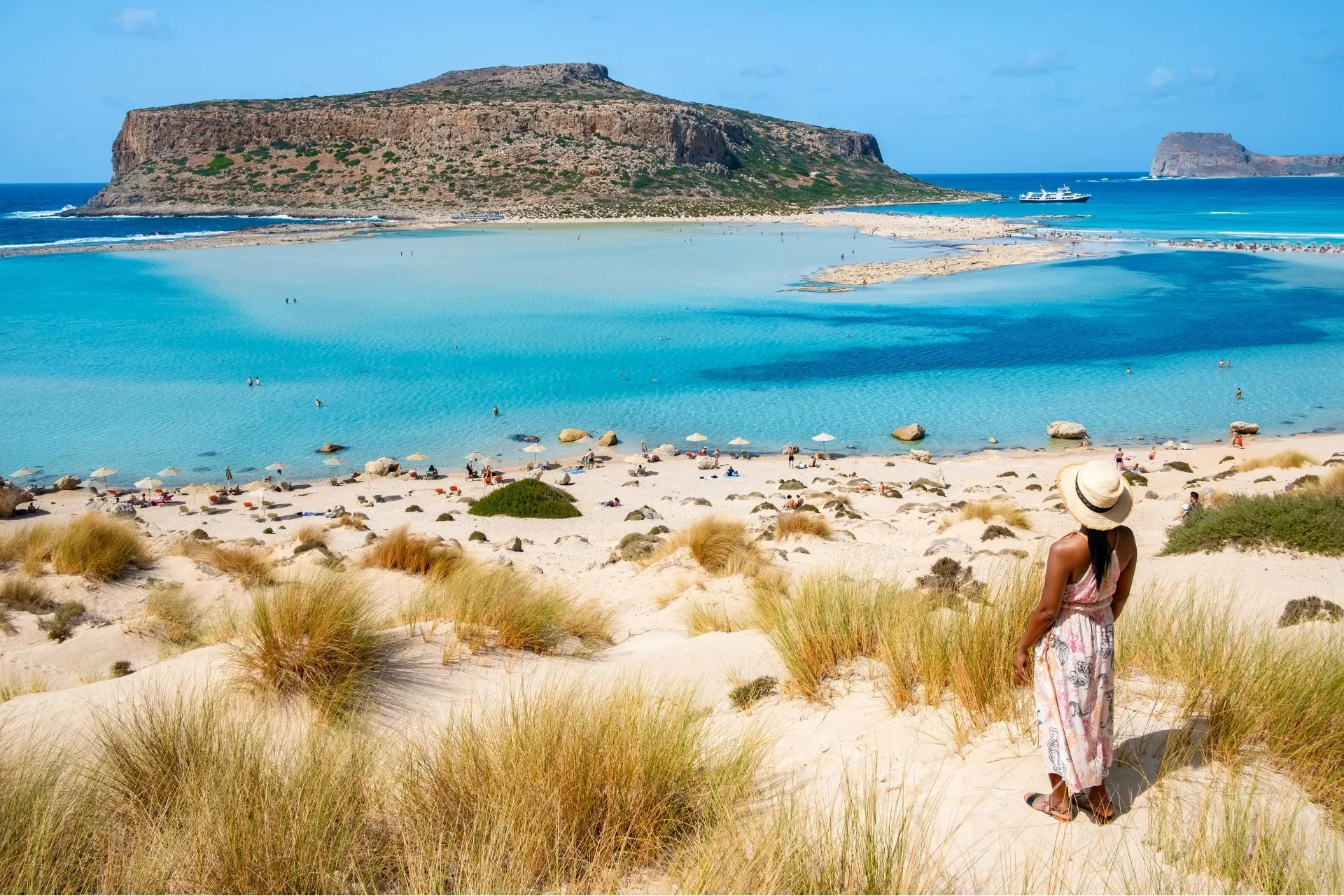
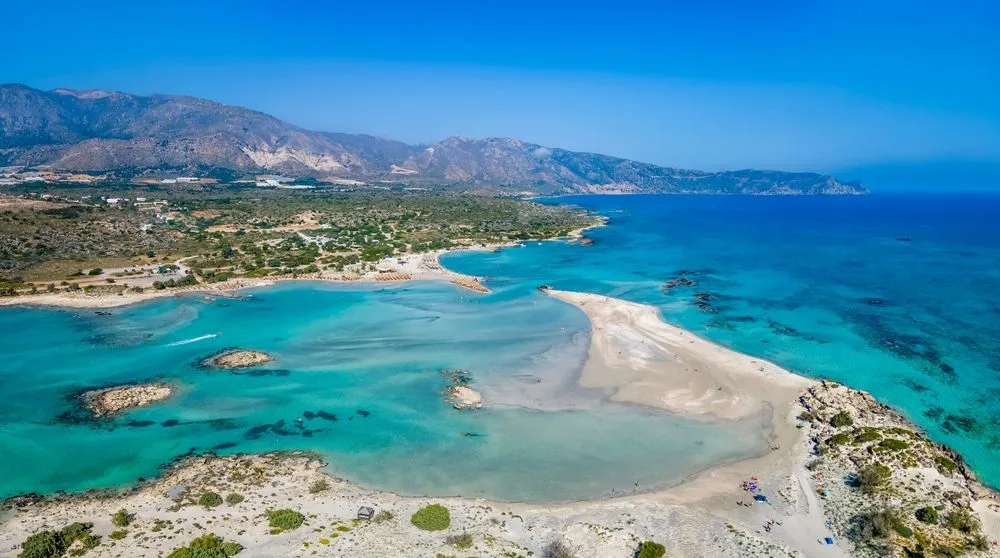
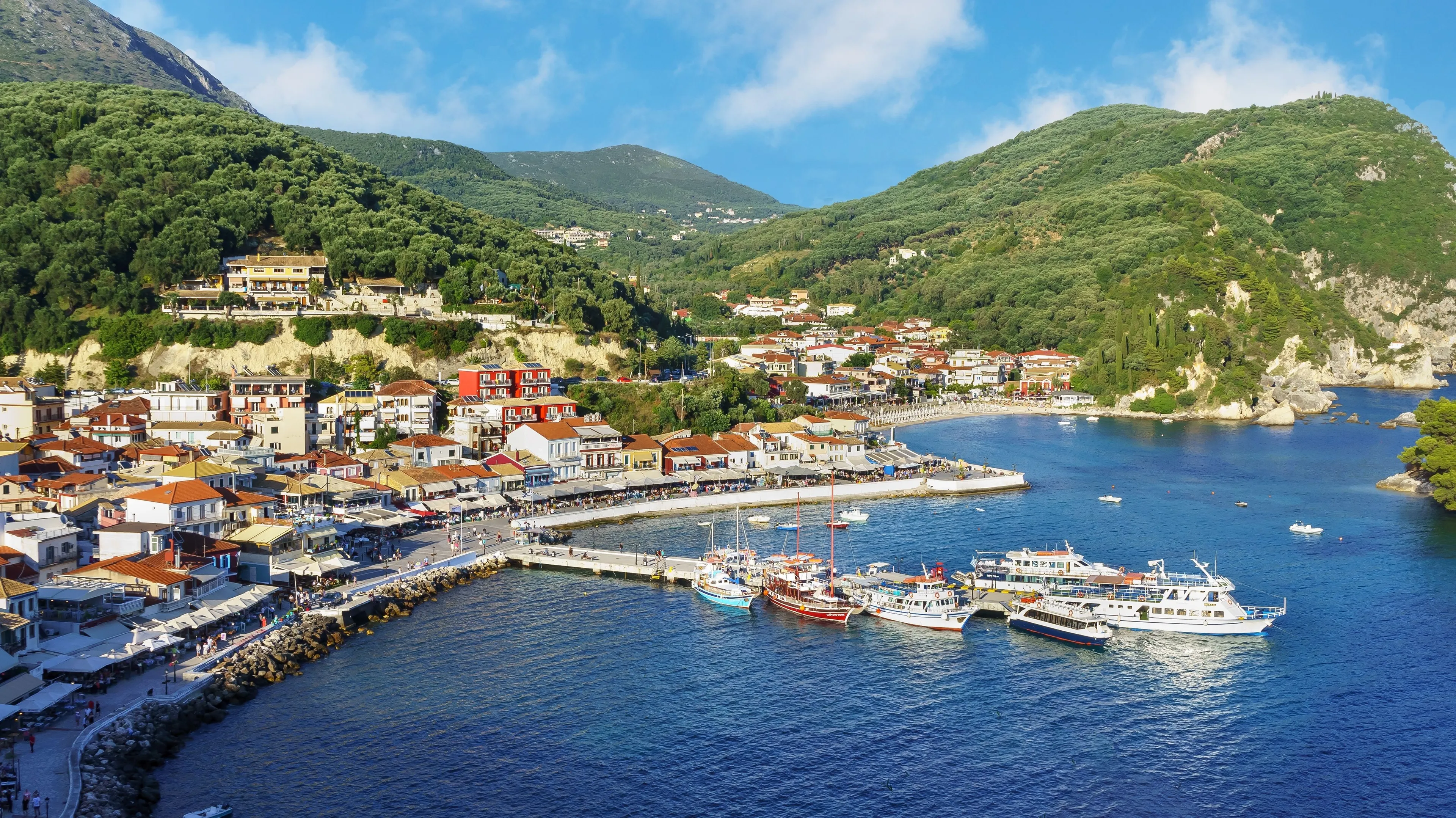
Exotic beaches, wild mountains and rich history in fascinating varied landscapes

Explore Greece Your Way: The Ultimate Road Trip Experience

Road trips in Greece offer a unique blend of Mediterranean coasts with emerald waters, fascinating islands, ancient sites and mountainous nature all in short distances. Exploring Greece by car gives travelers the chance to experience traditional villages, cultural spots, golden bays and modern cities on the same journey. 

Hit the Road in Greece: Driving Tips and Car Rental Deals with Abbycar

Greece has a well-developed road network, with modern highways connecting major cities and scenic regional roads leading to coastal as well as mountainous areas. Some rural or island roads are narrow with sharp curves, so driving should be cautious. Overall, driving around Greece is accessible and enjoyable, especially for travelers who appreciate beautiful nature.

When planning your Greek road trip, consider these tips:

  • Weather: Summer is perfect for islands and coastal areas, while spring and autumn offer mild temperatures, being ideal for urban getaways or explorations in nature. Rains are rare, except from winter, in Southern Greece.
  • Fuel availability: Fuel stations are widely available, not only on highways but also in local roads and outside the villages.
  • Distances: Distances between major towns are manageable (max. 5-6 hours) and scenic natural corridors are easy to access.

Renting a car in Greece is the best way to discover the country, because many beaches, villages and cultural routes are not easily accessible by public transportation. Compact and family cars work well on highways, while in major cities, such as Athens, an economy car is more suitable for parking. For travelers visiting mountainous or remote areas an SUV is ideal to drive even on unpaved roads.

Explore Abbycar’s deals for car rental in Greece on a budget!
FAQs about driving in Greece

Frequently Asked Questions

You need a valid driver’s license, your passport or ID card and a credit card for the deposit. Non-EU travelers need an International Driving Permit (IDP).

Greece drives on the right side of the road and seat belts are mandatory. Speed limits vary between highways, rural areas and towns, with frequent signage and speed cameras. Using a mobile phone while driving is prohibited unless hands-free. 

Greece uses toll highways, mainly between major cities. Tolls are paid at booths, usually by cash or card. There is no vignette system. Parking fees apply in city centers or touristic areas during summer.

Driving in Greece is generally safe, with well-maintained highways and scenic regional roads. Rural and island areas may have winding spots, but they are manageable with cautious driving. Weather is mostly predictable, but during summer it is hot, while during winter in mountainous areas you should expect for and snow.

Spring and autumn offer the best balance of mild temperatures and clear driving conditions. Summer is ideal for coastal journeys, although traffic is heavy in touristic destinations and temperature is hot. Winter is mild in cities and valleys, but can bring snow to mountainous regions. The best season depends on whether you want to spend your time on the beach or explore the mountainous side of Greece.