The key characteristics that you can expect from European road trips are:
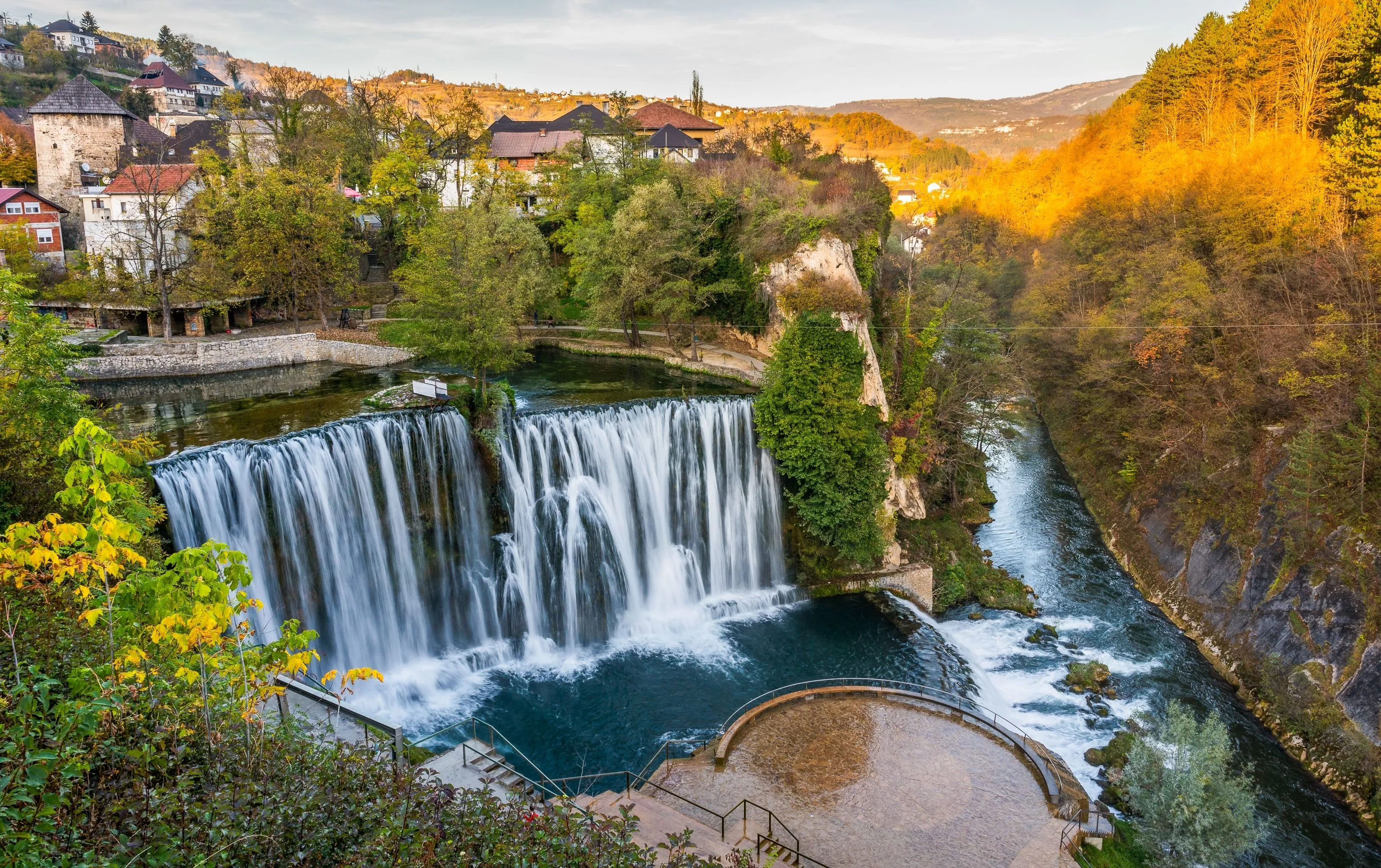
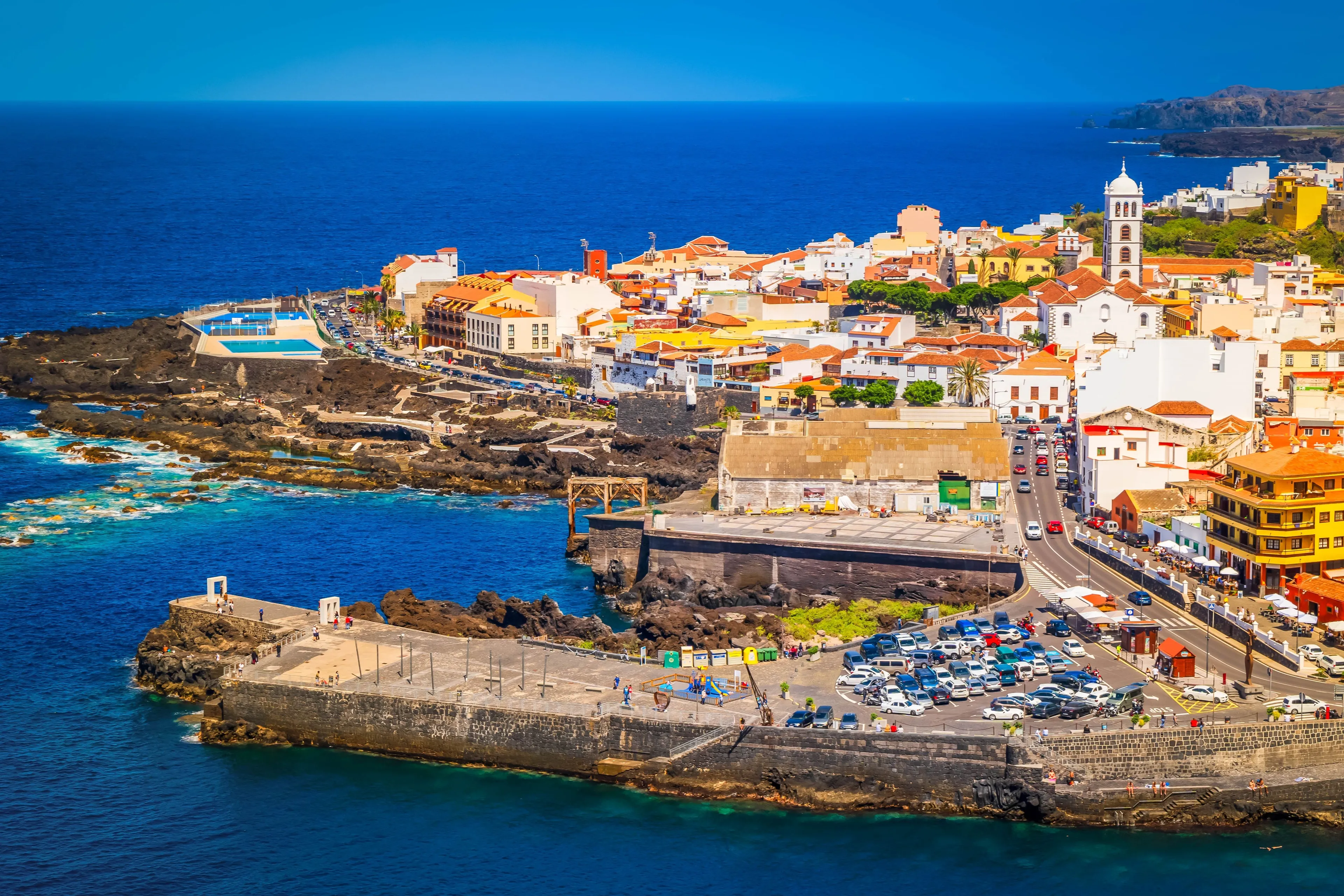
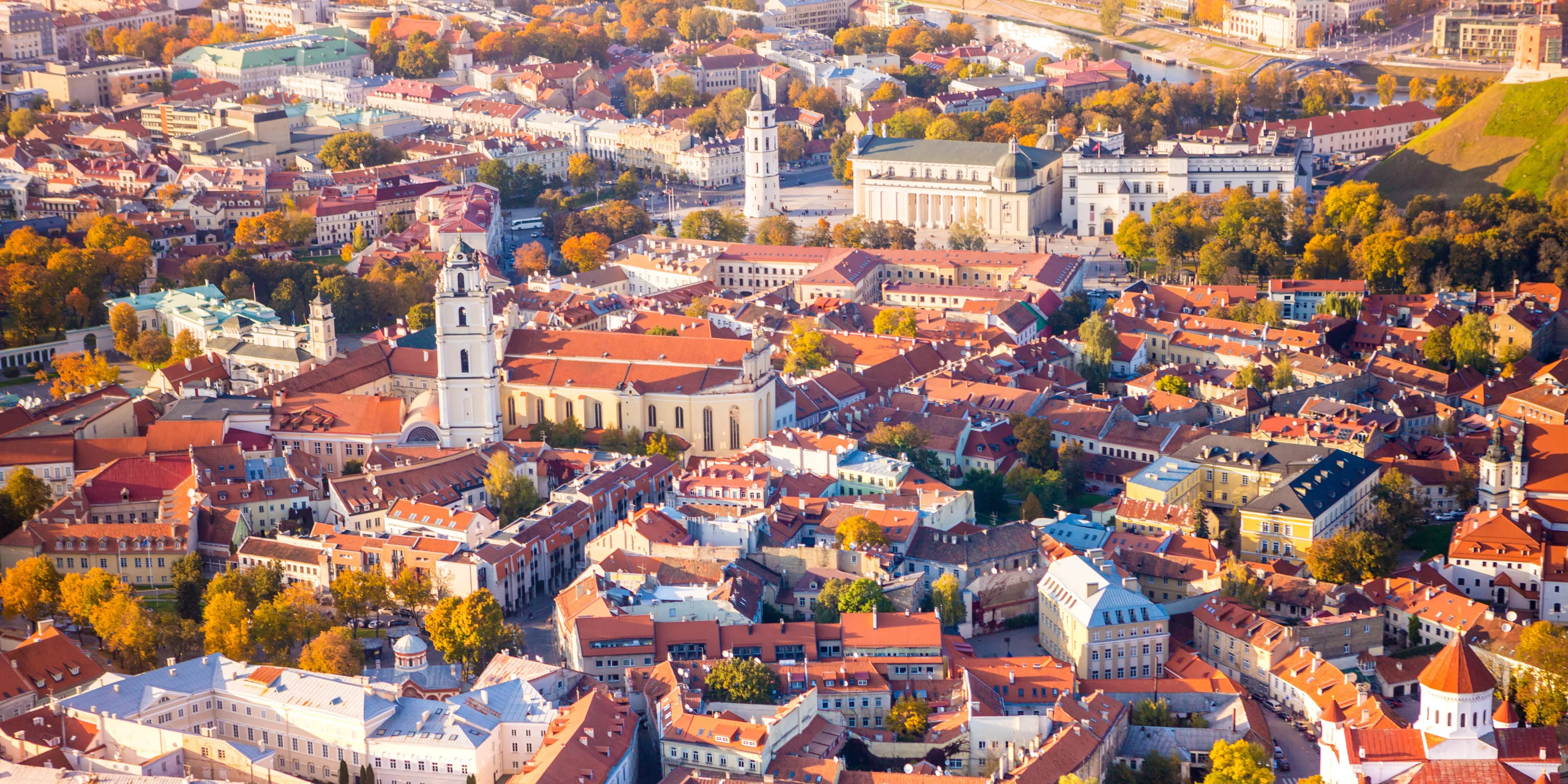
- Scenic diversity: Coastlines, mountains, forests, lakes and historic cities are all available within short distances.
- Dense road network: Extensive highways and well-maintained local roads make navigation easy.
- Consistent road signage: Even across borders, international travelers feel confident and safe.
These elements make road trips in Europe flexible, convenient and ideal for short drives as well as longer adventures.
Europe’s overview
Europe is built for travelers who want smooth, efficient movement from one region to another. Distances between major areas are manageable and the overall infrastructure supports predictable, comfortable driving.
Its advantages include:
- Reliable motorway systems connecting major cities.
- Widely available fuel, EV charging stations and service stops.
- Predictable travel times thanks to structured road planning.
Common travel patterns in Europe
Europe is one of the easiest places on earth to explore by car, especially when crossing borders.
Most travelers by car prefer:
- Cross-border driving that is easy due to open borders in large travel zones (e.g. France-Germany, Italy-Switzerland, Spain-Portugal, Greece-Bulgaria, Denmark-Sweden, Belgium-Netherlands etc).
- Multi-country itineraries, which are extremely popular among visitors wanting to see several regions in one trip (e.g. combining North Italy, South France and Spain or Czech Republic, Slovakia and Austria).
- Discovering multiple landscapes, driving to mountainous and coastal roads, large cities and rural locations.
Typical travel experiences in Europe
Road trips in Europe are ideal for a wide range of interests and travel styles.
Common experiences include:
- Coastal routes with sea views and seaside towns.
- Mountain routes featuring alpine passes, lakes and dramatic elevation changes.
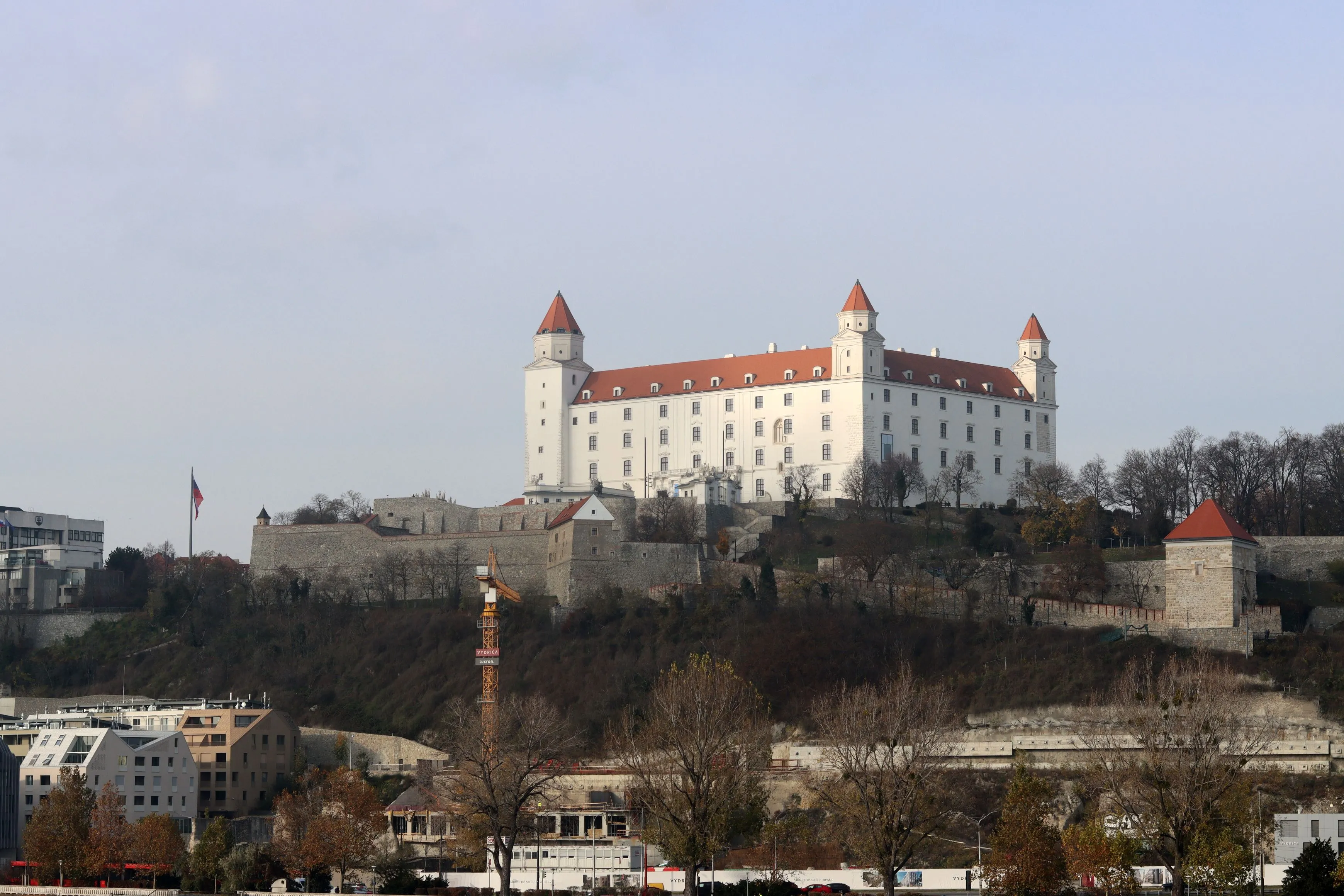
- Historic and cultural drives to castles, medieval towns, museums and UNESCO sites.
- Countryside escapes through vineyards, farmland and traditional villages.
Driving tips and common regulations
Europe’s regulations are generally easy to understand, but travelers should prepare for variations between countries.
The most important rules you should remember are:
- Driving side: Most countries drive on the right, while a few drive on the left (Cyprus and United Kingdom).
- Tolls & vignettes: Some countries charge motorway tolls, others require a prepaid vignette sticker.
- Regulations: The consumption of alcohol as well as the use of mobile phone are strictly prohibited when driving in Europe. All passengers should wear seat belts. There are speed limits on most European roads.
- Winter conditions: Some areas require winter tires or special equipment during colder months.
How to plan a road trip in Europe
Planning a European road trip means preparing for diverse terrain, varying weather and different regulations.
It is important to remember:
- Distances: Europe offers short routes between major cities and long scenic routes for those who want bigger journeys.
- Seasons: Summer brings long daylight hours, but winter requires more cautious driving.
- Border crossings: It is usually simple, but travelers should check rental agreements for cross-border permissions.
- Terrain variety: From high-quality road terrain to steep mountain roads, each area has its own driving character.
Read our country-level guides to explore detailed routes, cultural highlights and practical travel tips tailored to each European destination.