Road trips in Lithuania

Road trips in Lithuania

A charming Baltic country ready to be explored

Explore Lithuania Your Way: The Ultimate Road Trip Experience

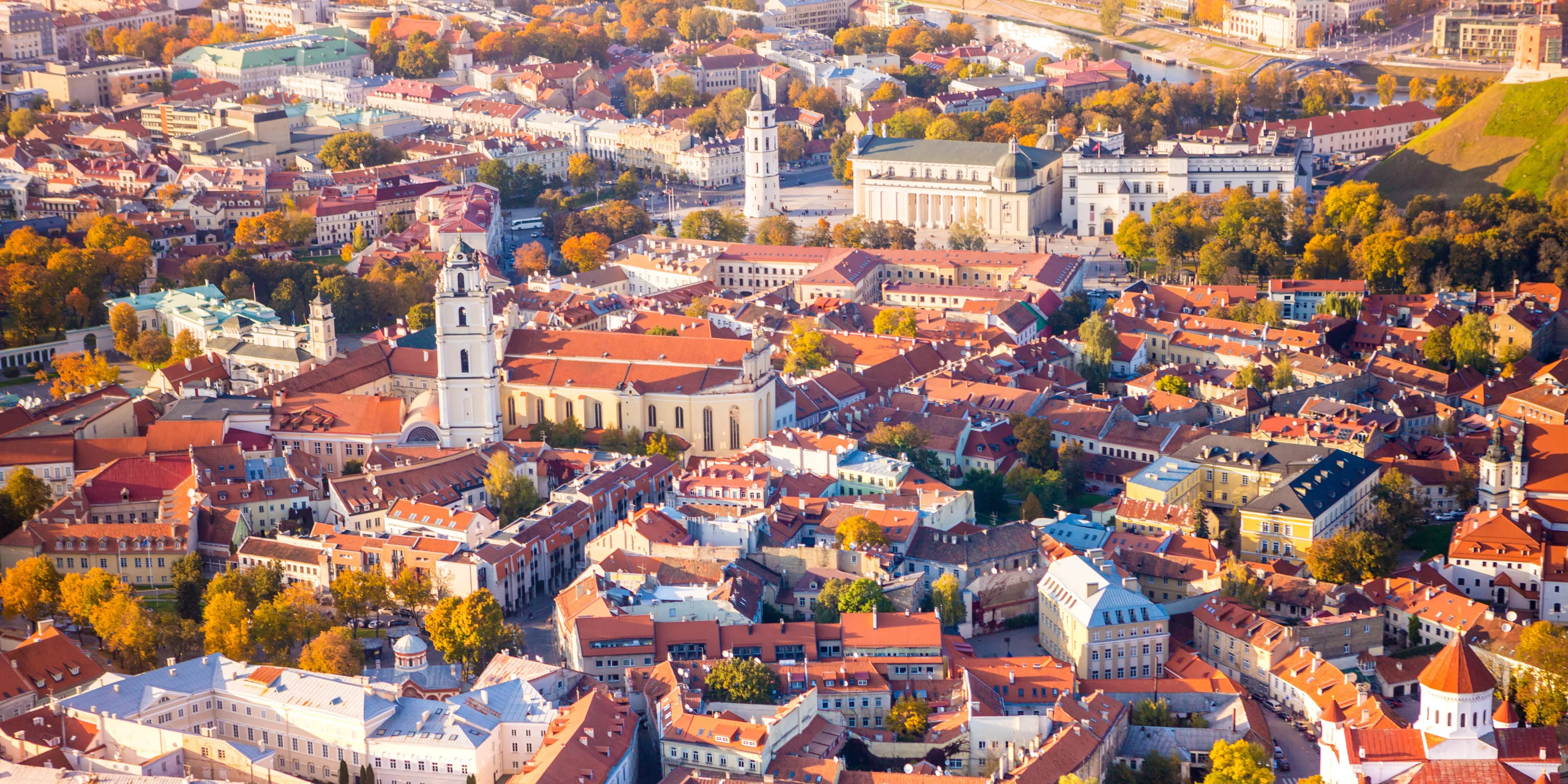
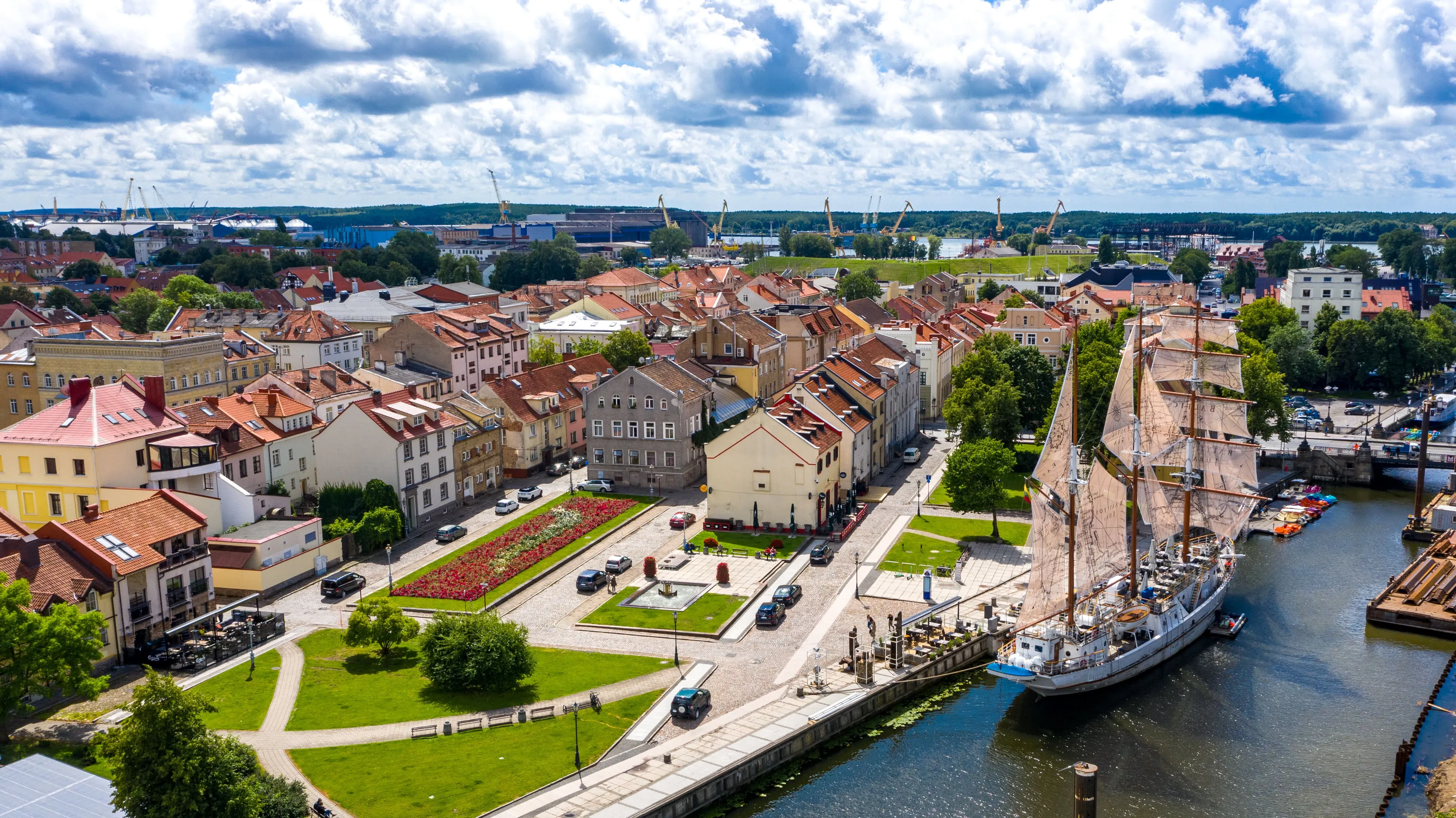
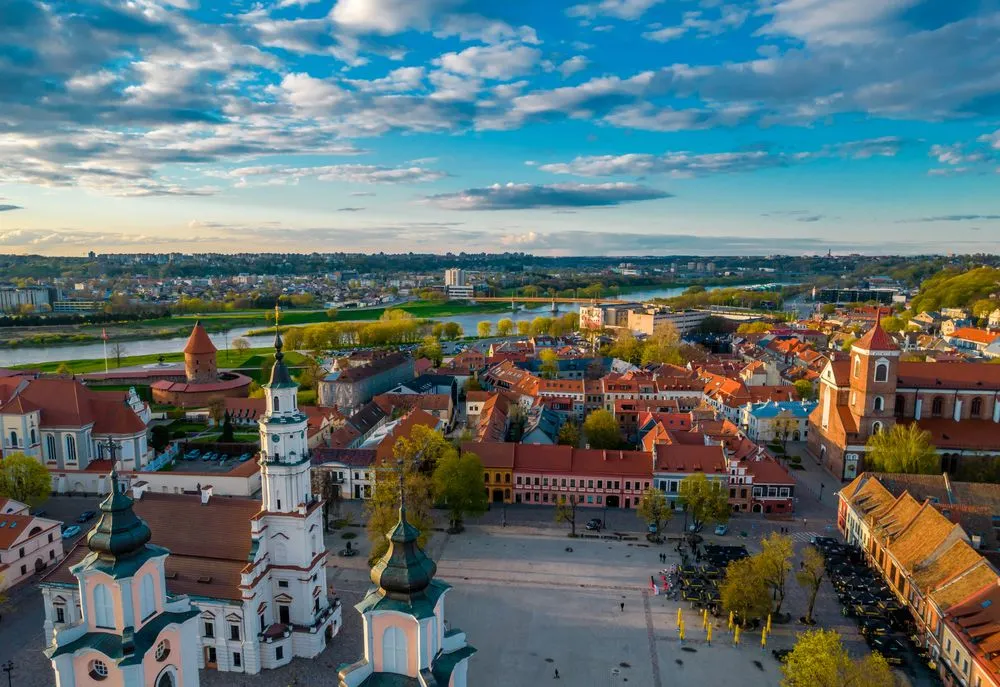
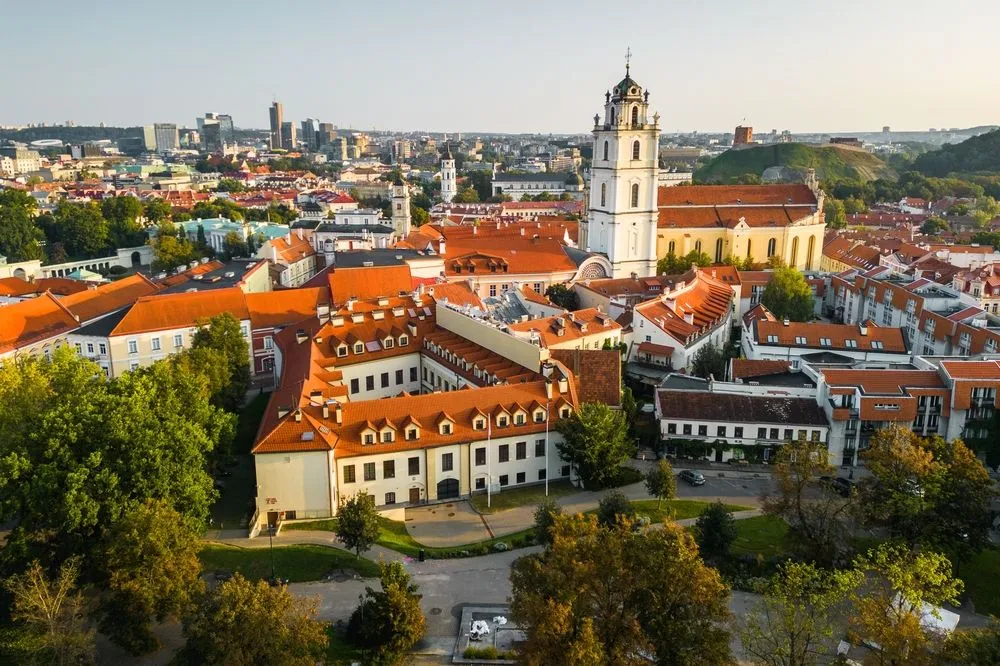
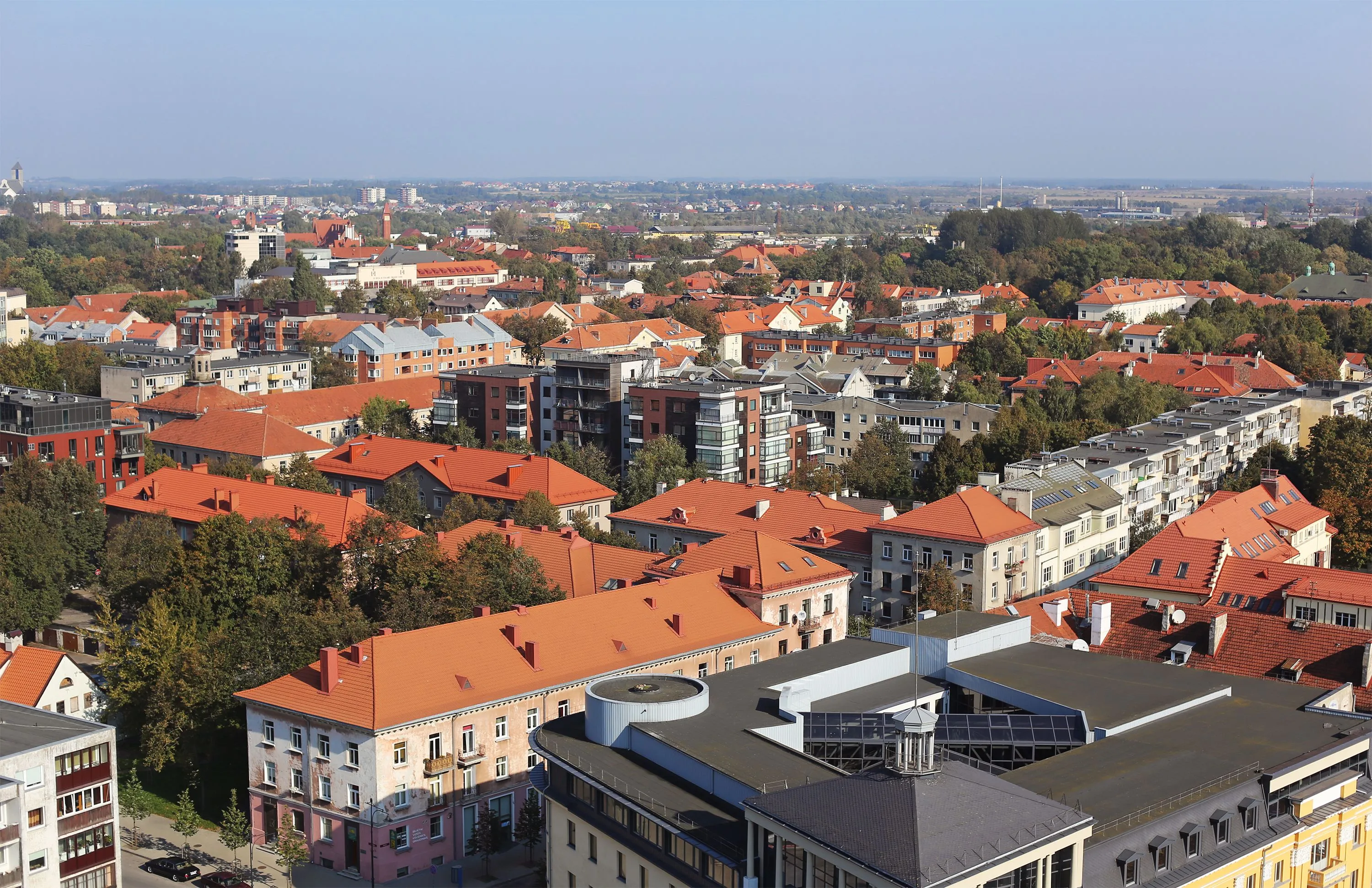
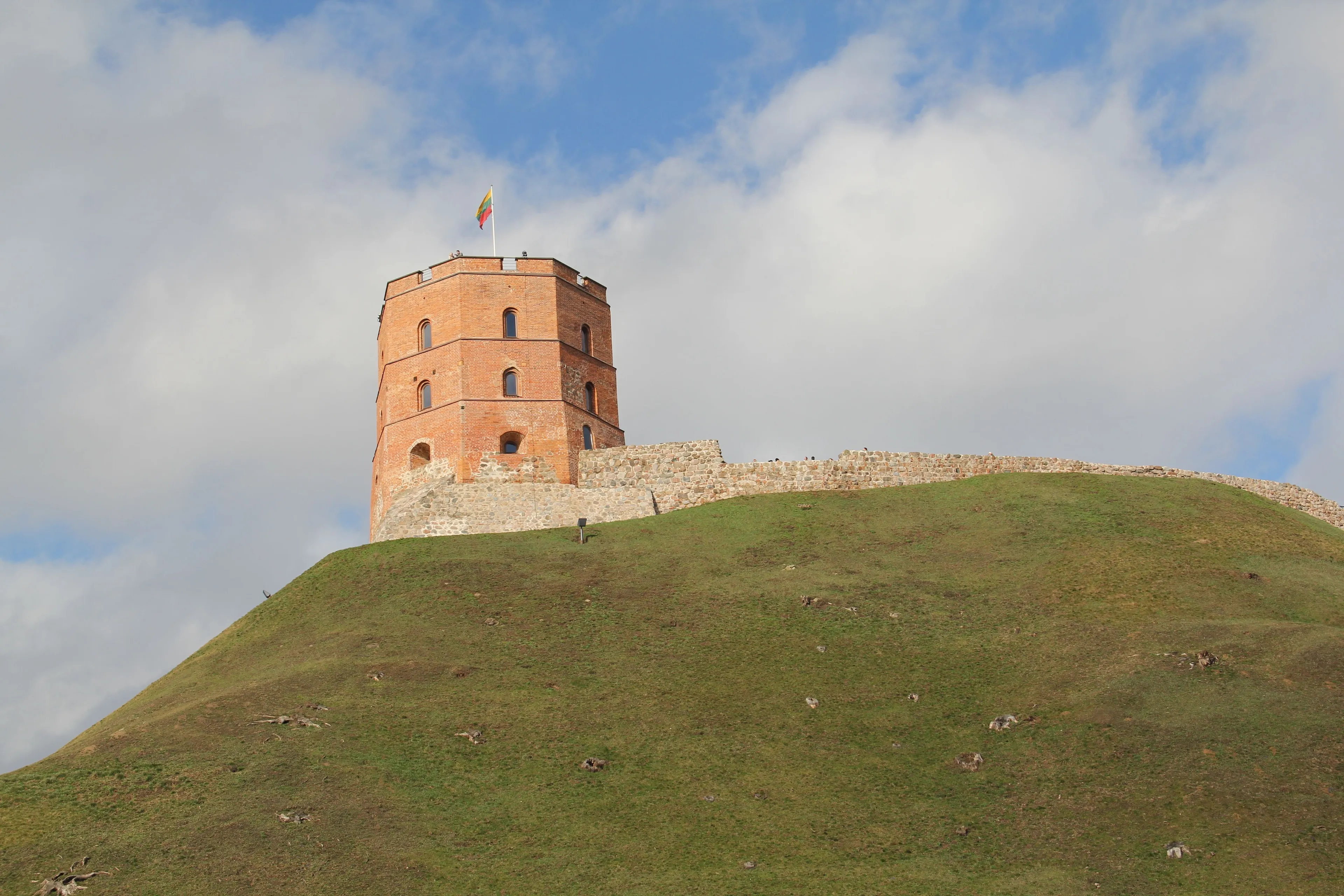
Road trips in Lithuania are a beautiful way to explore the country’s Baltic identity. Exploring Lithuania by car lets travelers experience seaside areas with golden sand at the Baltic Sea, national forest regions and lake districts, together with historic old towns and traditional villages.

Hit the Road in Lithuania: Driving Tips and Car Rental Deals with Abbycar

Lithuania’s road network is modern and easy to navigate. Highways link major cities efficiently, while regional roads lead to forests, lakes and rural communities without difficulties or sharp turns. Some countryside routes may be narrower, but driving around Lithuania remains comfortable for most travelers.

When planning your trip, consider that summer is ideal for coastal and forest drives, while spring and autumn bring mild weather and colorful landscapes, but it is rainy. Distances between cities are short, fuel stations are frequent and scenic nature areas are easy to explore.

Renting a car in Lithuania is practical because it gives access to places that buses may not reach, such as coastal resorts, quiet forest trails, rural viewpoints and small towns. Compact and family cars work well across the country, and parking is usually simple outside busy tourist zones.

Explore your options for car rental in Lithuania with Abbycar!
FAQs about driving in Lithuania

Frequently Asked Questions

You will need a valid driver’s license, your passport or ID card and a credit card for the deposit. For non-EU travelers, an International Driving Permit (IDP) is required.

Lithuania drives on the right side of the road, and seat belts are mandatory for all passengers. Speed limits differ between highways, forest regions and village zones, and enforcement is strict in residential areas. Using a phone while driving is prohibited unless hands-free.

Lithuania does not use toll roads or a vignette system for passenger vehicles. Most major and regional roads are free, including routes to coastal towns or nature areas.

Driving is generally safe, with well-maintained highways connecting the main cities. Rural and forest roads are scenic but may be narrower, especially in lake regions or agricultural areas, so slower driving is recommended.

Summer is ideal for exploring coastal towns, forest parks and lake districts under warm weather, which however is pleasant and not hot. Spring and autumn offer cooler temperatures and colorful landscapes that are perfect for countryside drives. Winter is beautiful but requires caution due to snow.