



Road trips in Italy

Road trips in Italy

Explore by car the most amazing urban and natural beauty in Europe

Explore Italy Your Way: The Ultimate Road Trip Experience

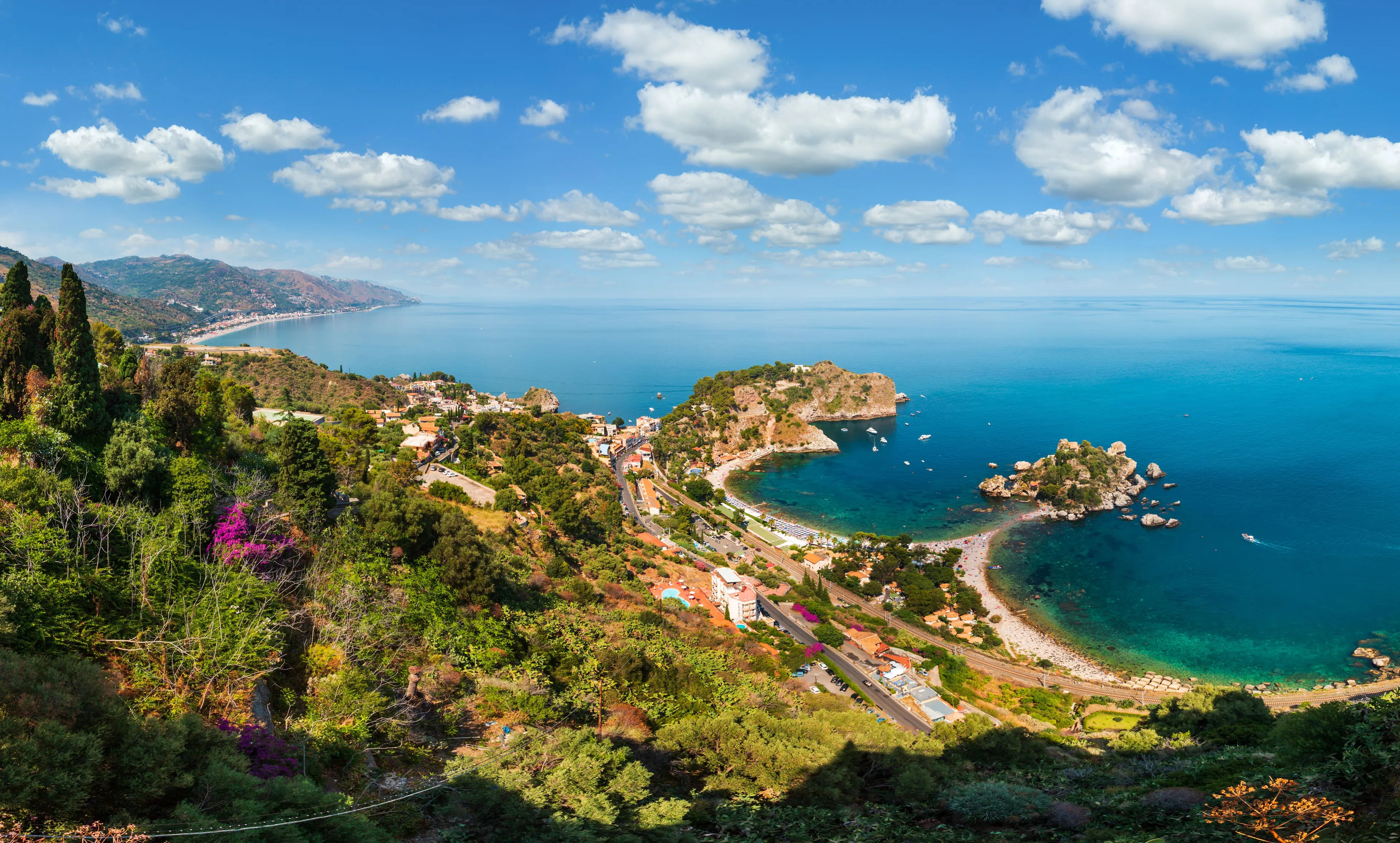
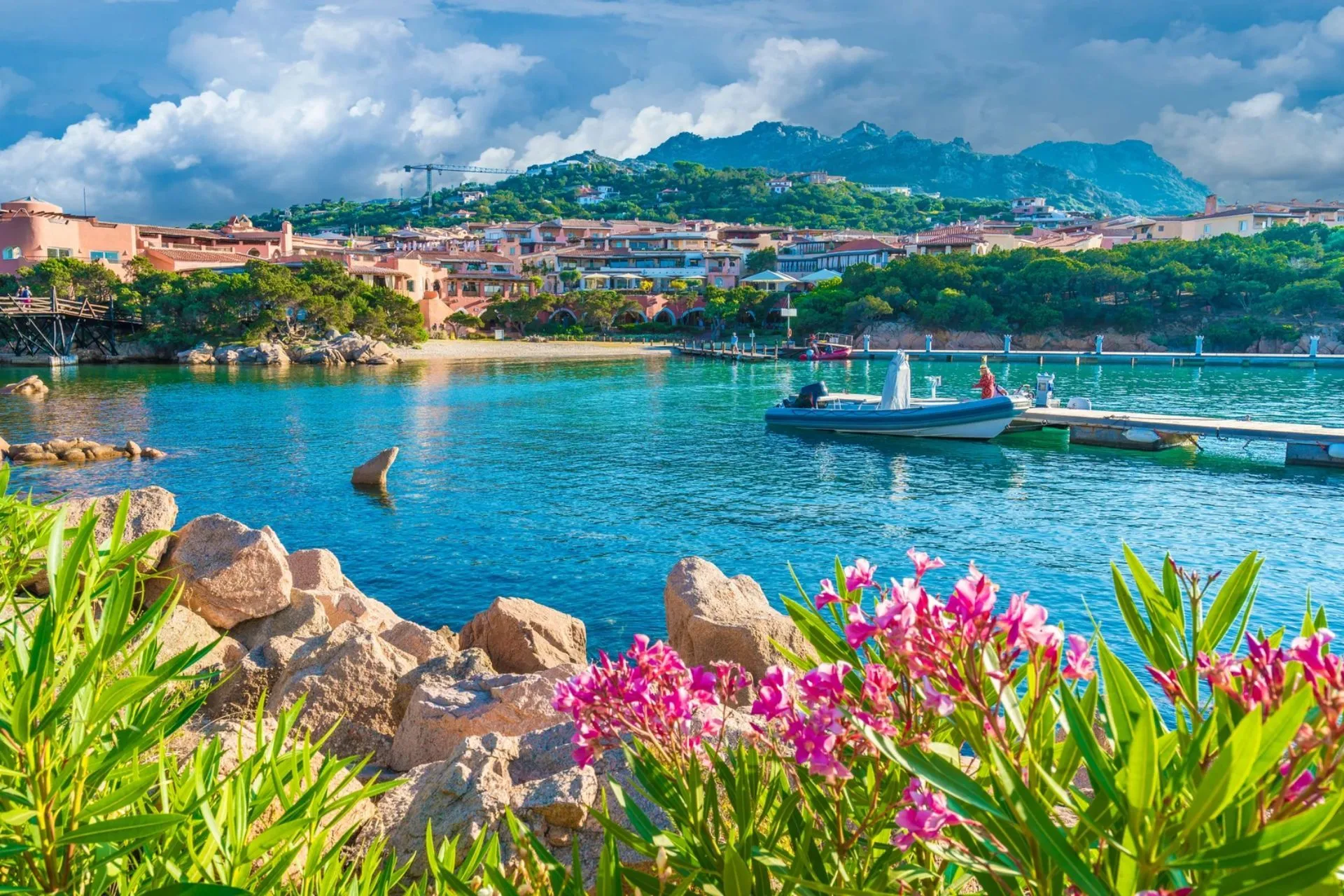
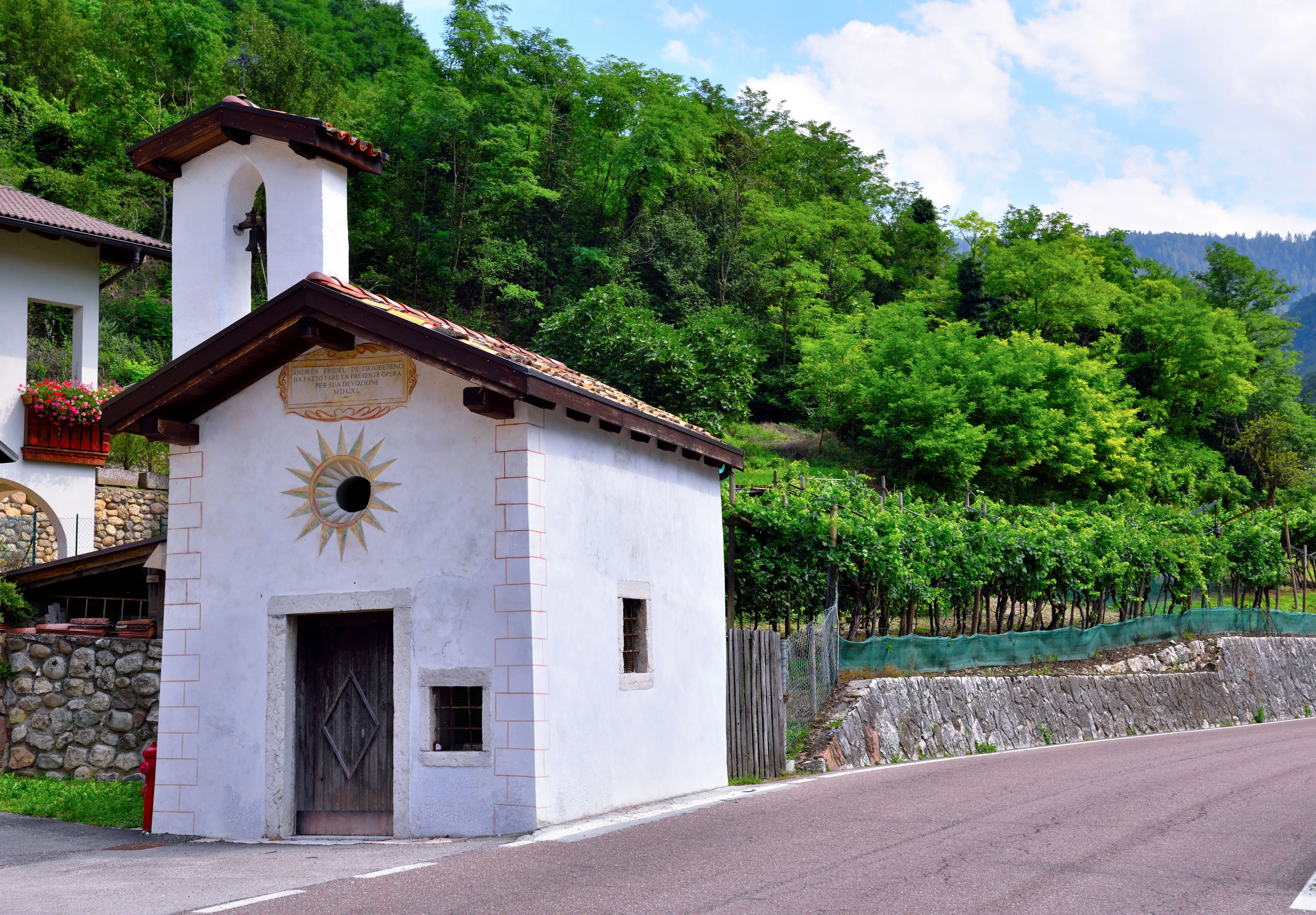
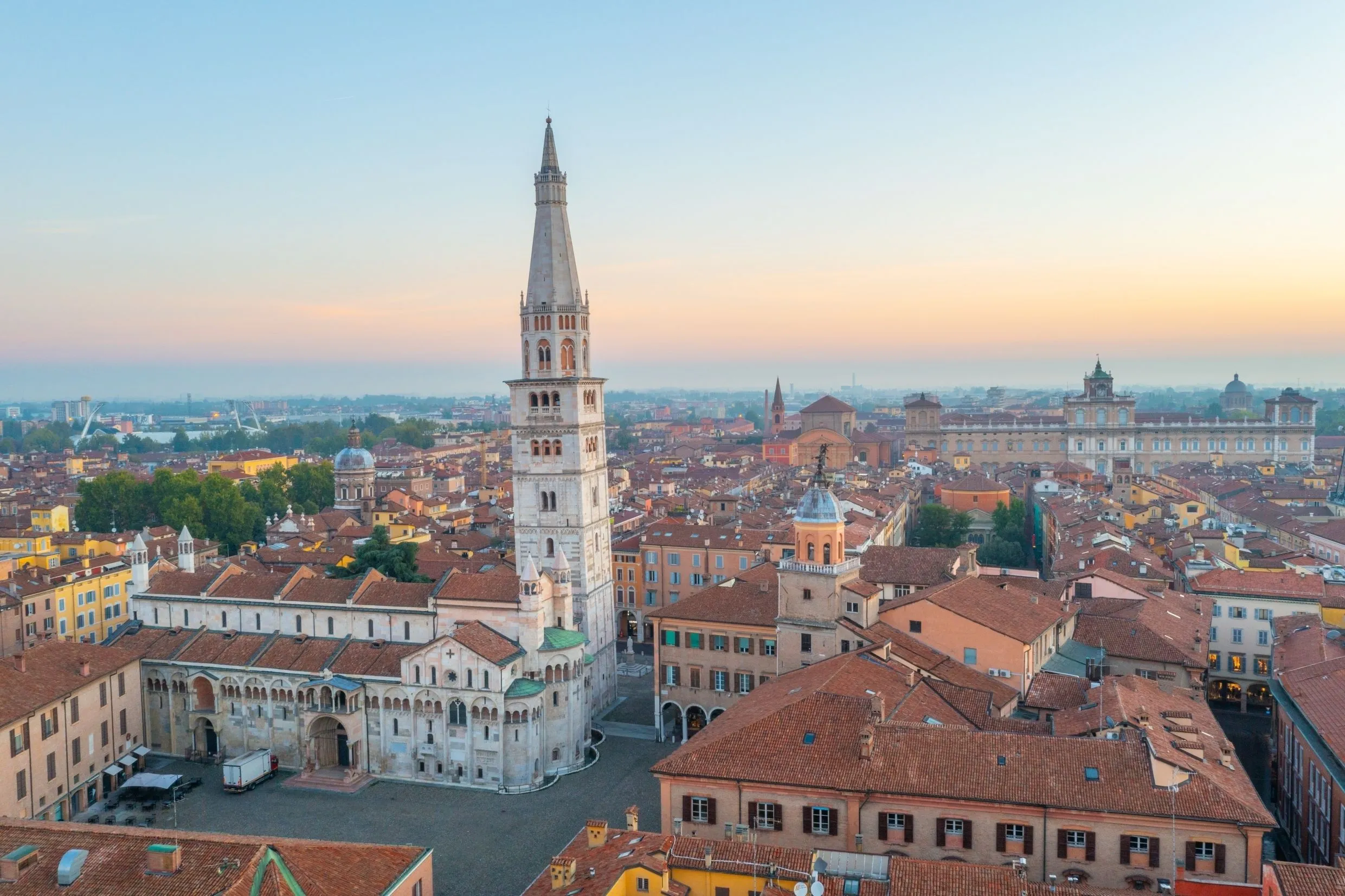
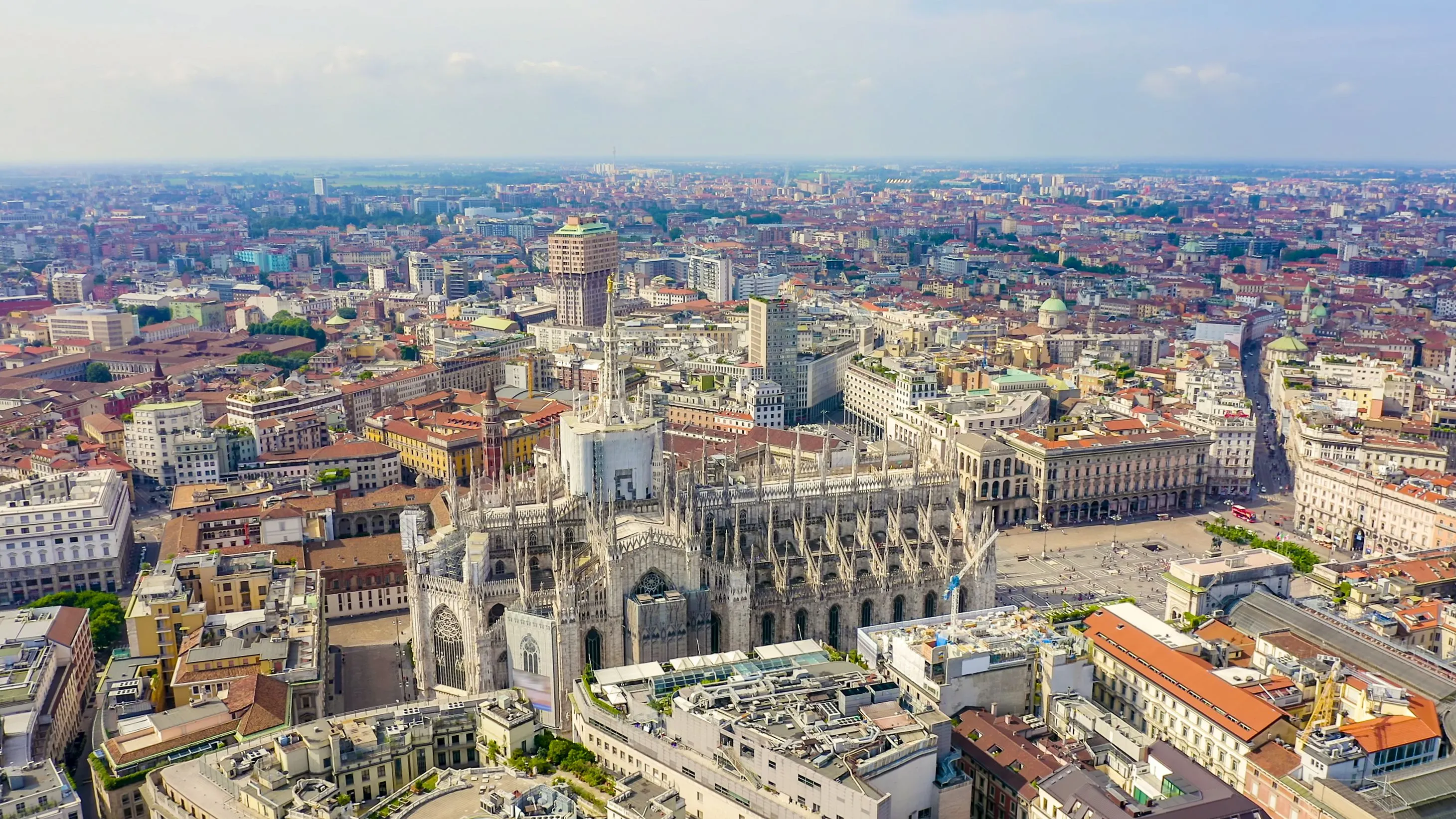
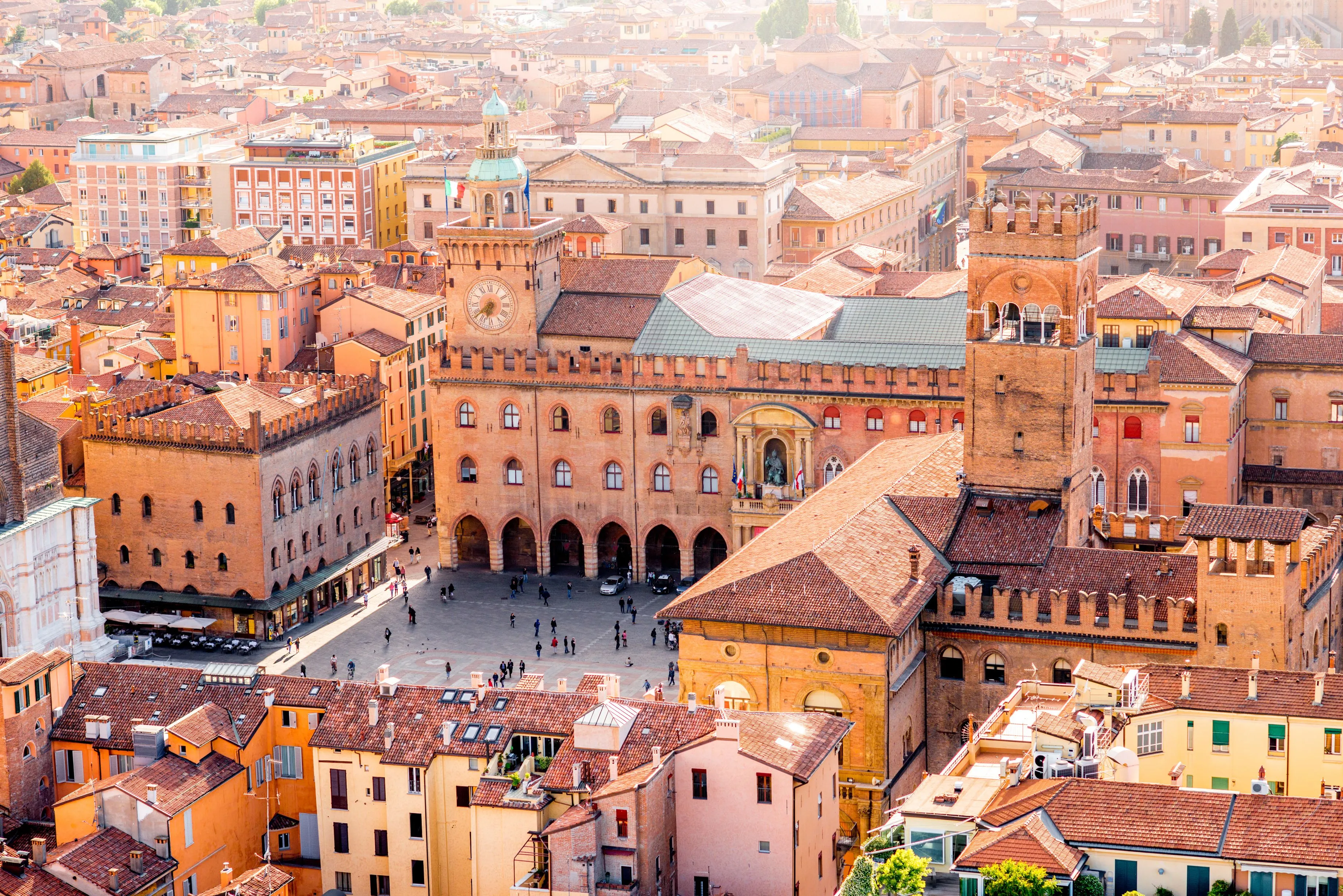
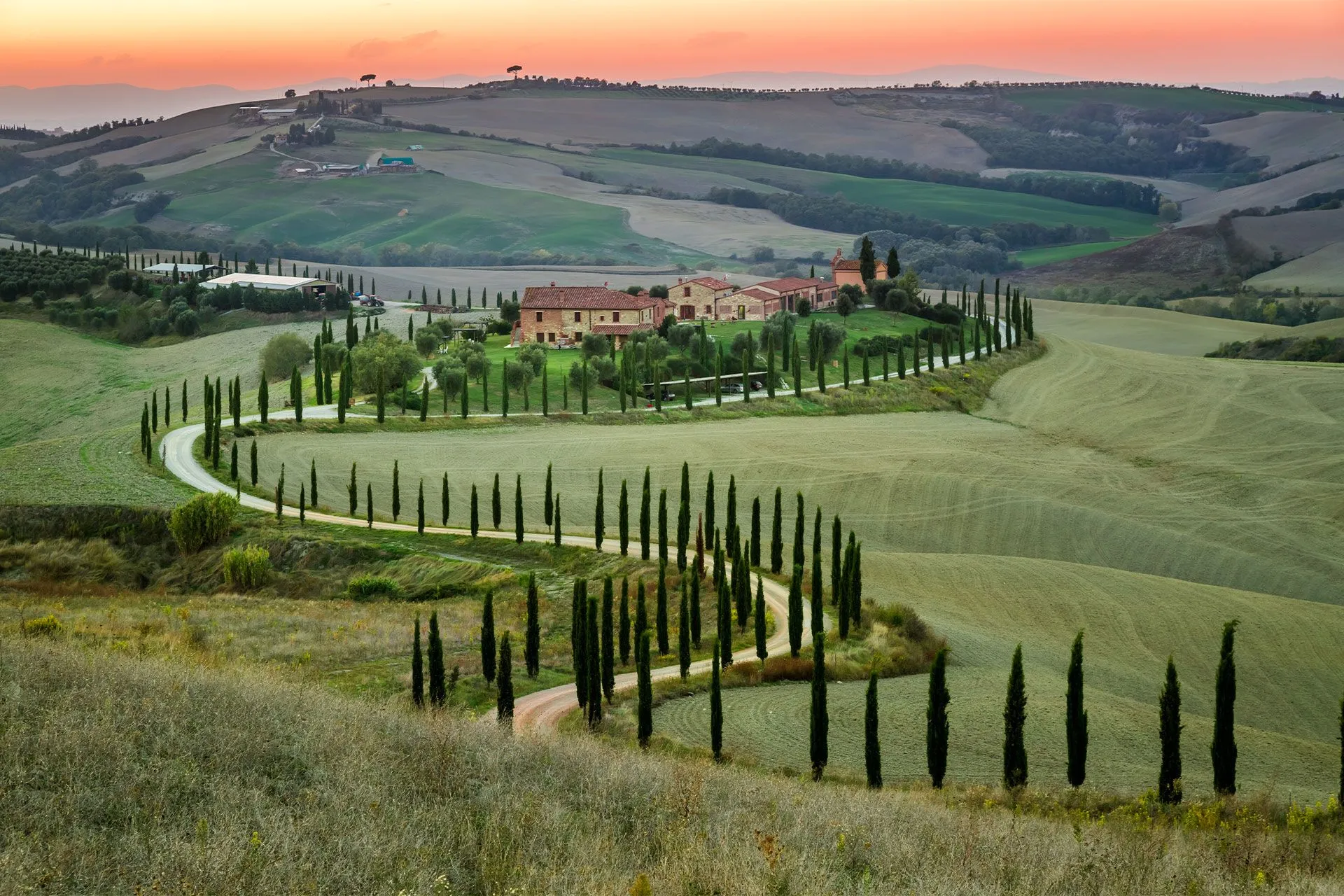
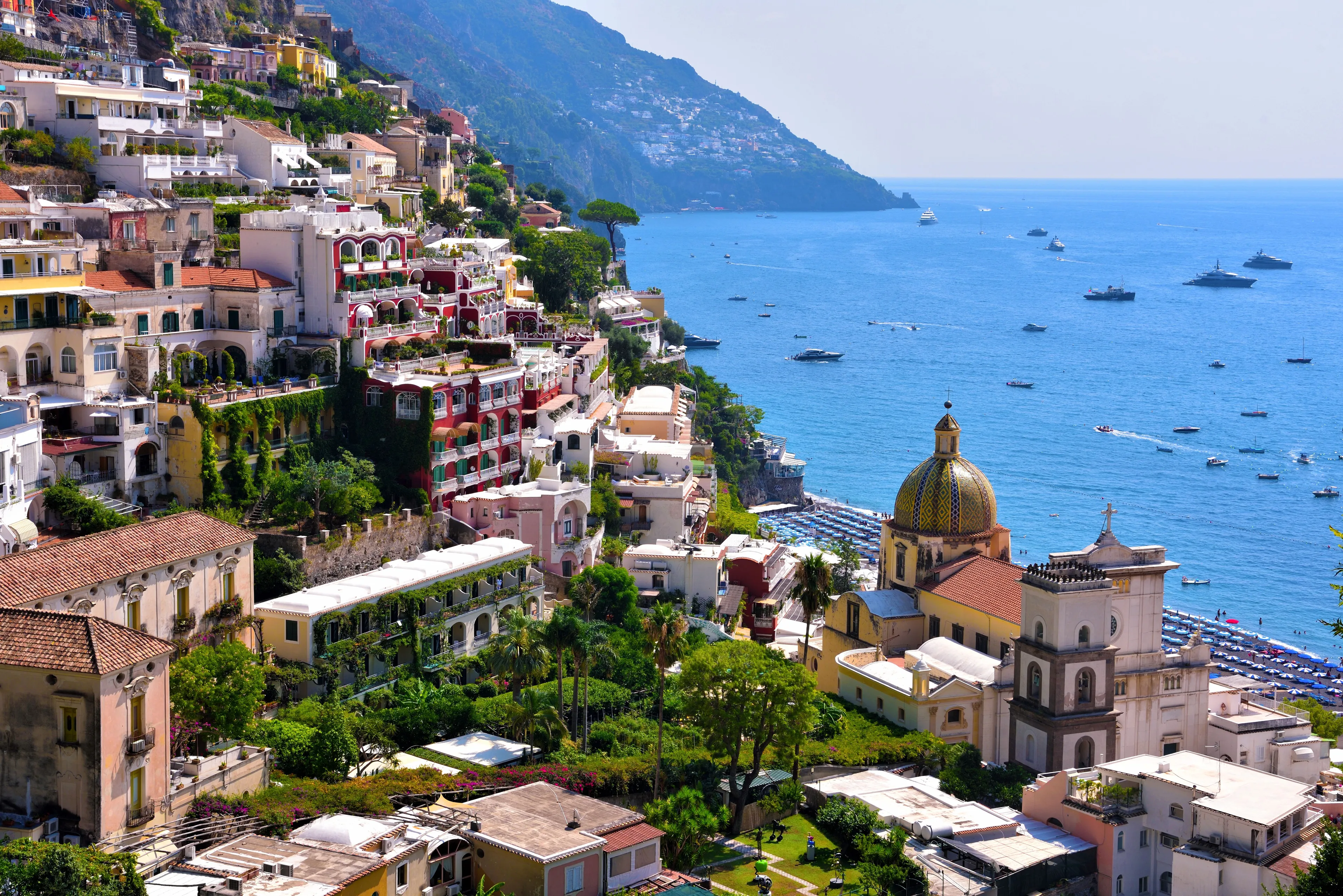
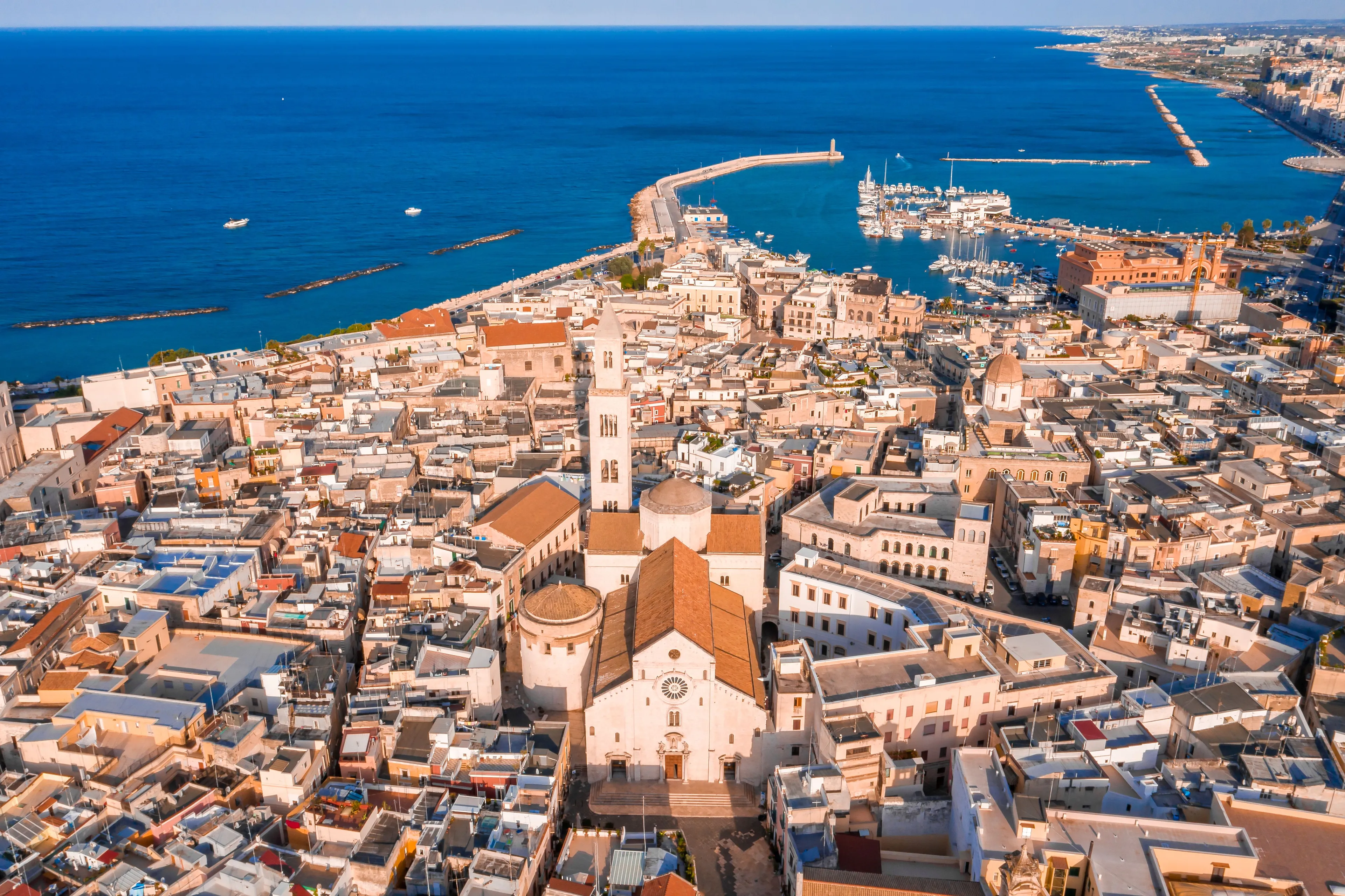
Road trips in Italy offer an exceptional mix of culture, breathtaking scenery and driving variety. Exploring Italy by car gives the opportunity to travelers to move from historic cities like Rome and Florence to beautiful countryside in Tuscany within 2–3 hours, or from Milan to alpine landscapes near Lake Como in about 1 hour. Coastal drives along the Tyrrhenian or Adriatic seas or at the Amalfi Coast together with inland routes through vineyards, hill towns and medieval villages make Italian road trips ideal for combining culture, food and nature.

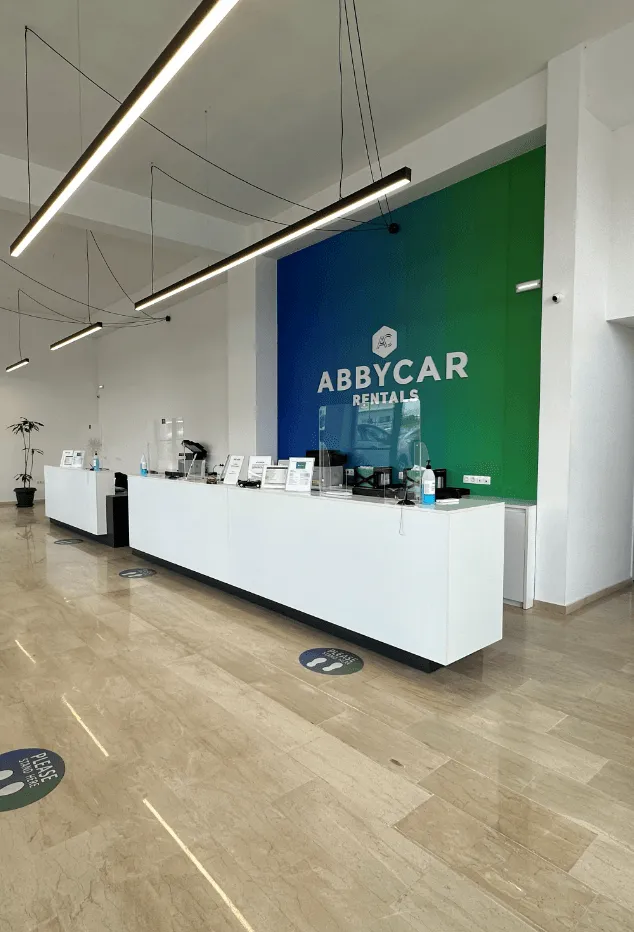
Hit the Road in Italy: Driving Tips and Car Rental Deals with Abbycar

Italy’s road network is extensive. Autostrada is the motorway connecting major cities efficiently, while regional roads lead into rural areas and historic villages. Driving is straightforward on highways, but old town centers, hill villages, and coastal cliff roads can be narrow and slow, especially in regions like Tuscany, Liguria or the Amalfi Coast. Overall, driving around Italy is manageable with awareness of traffic patterns and local restrictions.

Spring and autumn are ideal for road trips, as the weather is mild and traffic light. Summer attracts many travelers for coastal routes but is very crowded in popular areas. Fuel stations are frequent on highways and main roads, but infrequent in remote mountain zones.

Renting a car in Italy is practical for exploring countryside regions, coastal areas and smaller towns that trains and buses don’t reach easily. A compact or economy car is best for cities and narrow streets, while a small SUV adds comfort for mountain regions or rural routes.

Explore your options to rent a car in Italy with Abbycar and plan your journey on a budget!
FAQs about driving in Italy

Frequently Asked Questions

You will need a valid driver’s license, your passport or ID, and a credit card for the deposit. Non-EU travelers need an International Driving Permit (IDP).

Italy drives on the right side of the road, and seat belts are mandatory. Speed limits are enforced with cameras, especially on highways and near towns. Many city centers have ZTL (limited traffic zones) where unauthorized entry leads to fines. Using a mobile phone while driving is prohibited unless hands-free.

Italy uses toll motorways, paid at booths or electronically when exiting. There is no vignette system. Parking fees are common in cities and tourist towns, and ZTL penalties are a frequent issue for visitors.

Highways are modern and safe, making long-distance travel easy. Rural and historic areas may involve narrow roads, sharp turns and limited parking. Traffic is heavy near major cities and touristic resorts.

Spring (April–June) and autumn (September–October) offer the best conditions for driving and sightseeing. Summer is ideal for coastal routes but busy and hot, especially in August. Winter is safe in major cities and in the southern side, but in the northern side and in the Alps brings heavy snow.